Headache: Symptoms, Causes & Treatment in Pune
Chronic headaches and migraines can be caused by neurological sensitivities or referred tension from upper neck structures. At Vaayu Chest & Pain Clinic in Pune, Dr. Parag Vijay Munot provides advanced diagnostics, occipital nerve blocks, and non-surgical neck joint therapies.
Book Free Consultation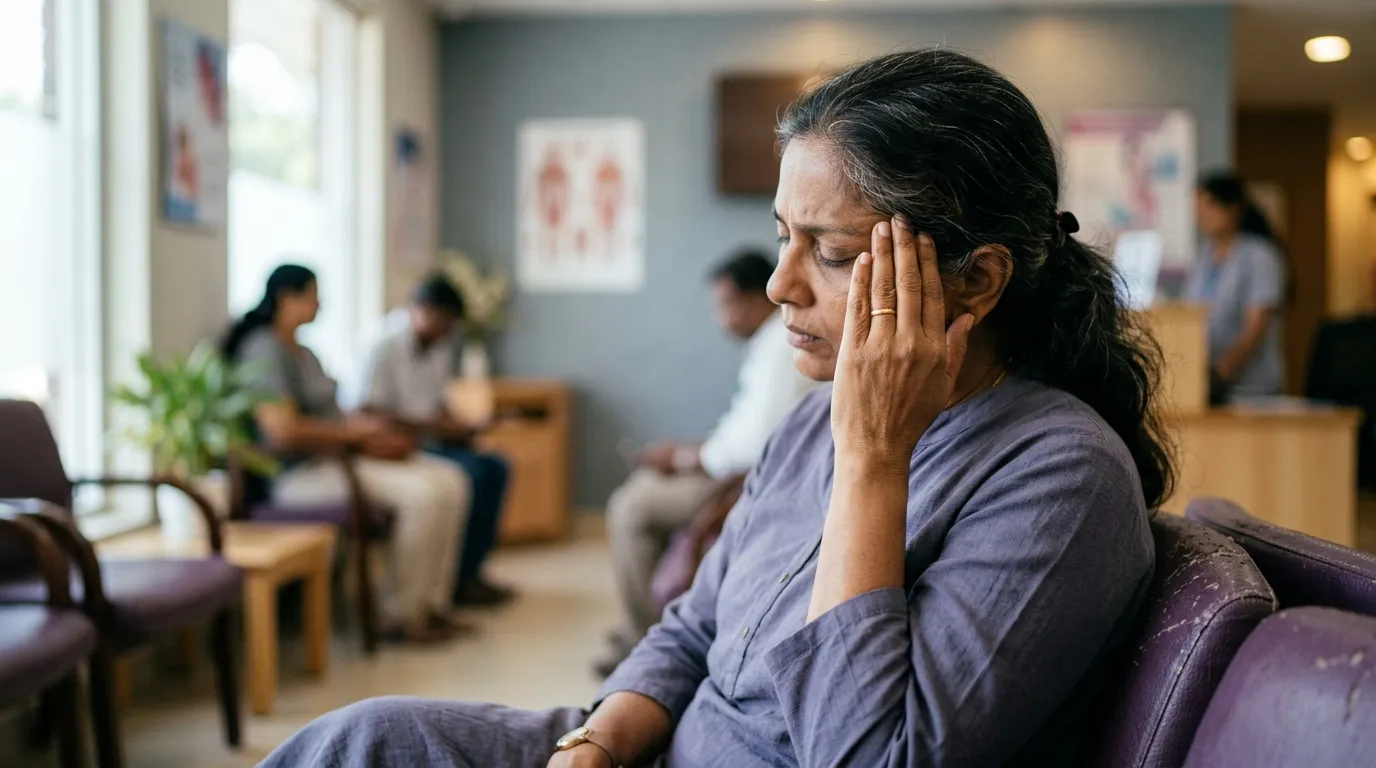
What is a Chronic Headache?
A chronic headache is clinically defined as experiencing headache pain on 15 or more days per month for at least three consecutive months. Unlike occasional tension headaches, which resolve with simple rest or over-the-counter pain medication, chronic headaches are a persistent condition that can significantly disrupt a patient's daily work, sleep patterns, and overall quality of life.
Primary chronic headaches include chronic migraines (characterized by throbbing, unilateral pain often accompanied by nausea and sensitivity to light and sound), tension headaches (felt as a dull, band-like tightness around the forehead), and cluster headaches (unilateral, piercing pain centered around one eye). Chronic headaches can also be secondary, meaning they are caused by an underlying condition. A common secondary type is a cervicogenic headache, where pain is referred to the head from inflamed joints, ligaments, or nerves in the upper neck.
Led by Dr. Parag Vijay Munot, our clinic focuses on identifying the specific origin of your headache pain. We use diagnostic blocks to evaluate if upper cervical spine irritation is contributing to your headaches and design personalized treatment plans combining non-surgical therapies, lifestyle adjustments, and postural training.
Symptoms & Common Causes
Headache symptoms vary depending on the type of headache, ranging from a dull, constant ache to intense, pulsing pain accompanied by visual disturbances.
Common symptoms of chronic headache disorders include:
- Throbbing or Pulsating Pain: Classic sign of migraines, often felt on one side of the head.
- Band-Like Pressure: A constant, dull ache that feels like a tight band around the forehead or back of the head.
- Sensitivity to Light & Sound: Bright lights or loud noises worsening the headache pain (photophobia and phonophobia).
- Neck Stiffness & Referred Pain: Pain that starts in the upper neck and radiates to the temples, forehead, or behind the eye.
- Nausea and Vomiting: Common symptoms that accompany severe migraine attacks.
- Visual Auras: Seeing flashing lights, zigzag lines, or experiencing temporary blind spots before the headache begins.
Identifying the cause of chronic headaches is key to planning the right treatment. The most common causes and triggers include:
1. Cervical Spine Irritation: Arthritis, disc issues, or muscle spasms in the upper neck joints referring pain to the head.
2. Occipital Neuralgia: Irritation or compression of the greater or lesser occipital nerves at the base of the skull.
3. Neurological Hypersensitivity: Chemical changes in the brain that trigger migraine pathways.
4. Poor Posture: Slouching at computers, placing excessive strain on upper neck joints and muscles.
5. Medication Overuse: Frequent use of rescue pain medications causing 'rebound' headaches.
When to See a Doctor / Red Flags
While most chronic headaches are benign, a new, sudden, or rapidly worsening headache can indicate a serious underlying neurological condition that requires immediate emergency evaluation.
Seek Immediate Medical Care If You Experience:
- A sudden, severe headache that reaches maximum intensity within seconds (often described as a 'thunderclap' headache).
- A headache accompanied by high fever, neck stiffness, confusion, or a skin rash.
- Headaches accompanied by weakness, numbness, difficulty speaking, double vision, or loss of balance.
- A new type of headache that starts after age 50.
- A headache that begins or worsens after a head injury.
- Headaches that worsen when coughing, bending over, or straining.
If you experience any of these red flags, seek emergency medical care immediately to rule out serious conditions like a stroke, meningitis, or an aneurysm.
Treatment Options at Vaayu
At Vaayu Chest & Pain Clinic, we offer advanced, non-surgical interventional treatments for chronic headaches. We focus on blocking pain pathways, reducing nerve irritation, and treating cervical spine issues that contribute to referred pain.
Our primary treatment options include:
- Occipital Nerve Blocks: Precise injections targeting the greater and lesser occipital nerves at the base of the skull under live ultrasound guidance, matching components of Nerve Blocks & RFA.
- Cervical Facet Joint Injections: Targeted injections for neck-related (cervicogenic) headaches matching procedures in Epidural & Spinal Injections.
- Trigger Point Injections: Relieving painful muscle spasms in the neck and shoulders that can trigger or worsen headaches.
- Structured Postural Rehabilitation: Coordinating with physical therapists to strengthen neck muscles and improve alignment to reduce strain on upper neck joints.
These advanced treatments help many chronic headache patients achieve long-term pain relief and reduce their reliance on daily medications.
Why Choose Vaayu in Pune?
Vaayu Chest & Pain Clinic is a leading center for advanced, interventional pain management in Pune. Our dedicated pain services are led by Dr. Parag Vijay Munot, a highly respected Pain Physician and Anesthesiologist (MBBS MD FICP). Dr. Parag specializes in providing advanced, image-guided blocks and non-surgical treatments for complex headache disorders.
We prioritize patient safety, precise diagnosis, and long-term relief. By using advanced fluoroscopic and ultrasound imaging, we ensure all injections are performed with high accuracy. We offer personalized, compassionate care and coordinate directly with physical therapists to support your complete recovery.
Frequently Asked Questions
Chronic headaches are broadly categorized into primary and secondary headaches. Primary headaches include migraines (throbbing, unilateral pain often accompanied by nausea and light sensitivity), tension-type headaches (a dull, band-like tightness around the head), and cluster headaches (severe, piercing pain around one eye). Secondary headaches are caused by an underlying condition, such as cervicogenic headaches (referred pain from neck joint or nerve issues) or medication overuse headaches.
A cervicogenic headache is a type of secondary headache where the pain is referred to the head from a source in the neck (cervical spine). It is caused by irritation of the joints, ligaments, muscles, or nerves (like the occipital nerves) in the upper neck. Poor posture, arthritis, or whiplash injuries can stimulate these neck structures, sending pain signals up into the back of the head, temples, or behind the eye.
Headaches should be evaluated by a specialist if they occur more than 15 days a month (chronic migraine), do not respond to preventive or rescue medications, are accompanied by neck stiffness, or significantly disrupt your sleep and work. A specialist can help identify if your headaches are referred from neck structures and perform targeted nerve blocks.
Red flags that indicate a need for immediate emergency medical evaluation include: a sudden, severe headache that reaches maximum intensity within seconds (known as a 'thunderclap' headache), a headache accompanied by high fever, neck stiffness, confusion, seizures, or double vision, or a new headache that starts after age 50 or after a head injury.
Occipital nerve blocks involve injecting a small amount of local anesthetic and anti-inflammatory medication around the greater and lesser occipital nerves at the back of the head under live ultrasound guidance. This blocks pain signals traveling from the upper neck and scalp to the brain, providing rapid relief for patients suffering from cervicogenic headaches, occipital neuralgia, or chronic migraines.
For headaches linked to neck tension or joint issues (cervicogenic headaches), physical rehabilitation focuses on stretching tight neck muscles, strengthening deep neck flexors, and correcting posture. By improving head alignment and reducing strain on the upper cervical spine, physical therapy helps prevent future headache triggers. Reducing pain first using nerve blocks is key to enabling patients to participate comfortably in rehabilitation.
Other Pain Conditions
Neck Pain
Comprehensive diagnosis and targeted therapies for cervical disc disease, muscle spasms, and stiffness.
Learn More
Shoulder Pain
Comprehensive diagnosis and targeted therapies for frozen shoulder, rotator cuff tears, and impingement.
Learn More
Osteoarthritis
Non-surgical joint preservation, cartilage protection, and advanced radiofrequency therapies.
Learn MoreExpert Diagnosis and Advanced Headache Care
Schedule your clinical assessment or interventional headache consult at Vaayu Chest & Pain Clinic today. Call our Pune desk or book online.