Interventional Pulmonology in Shivajinagar, Pune
Centrally located at Spectrum Business Spaces in Shivajinagar, Pune, Vaayu Chest & Pain Clinic delivers premium interventional pulmonology services. Dr. Harsha Jain performs advanced diagnostic and therapeutic endoscopic chest procedures, serving patients across Model Colony, Deccan, and Pune University circles with non-surgical clinical pathways.
Book Specialist Consult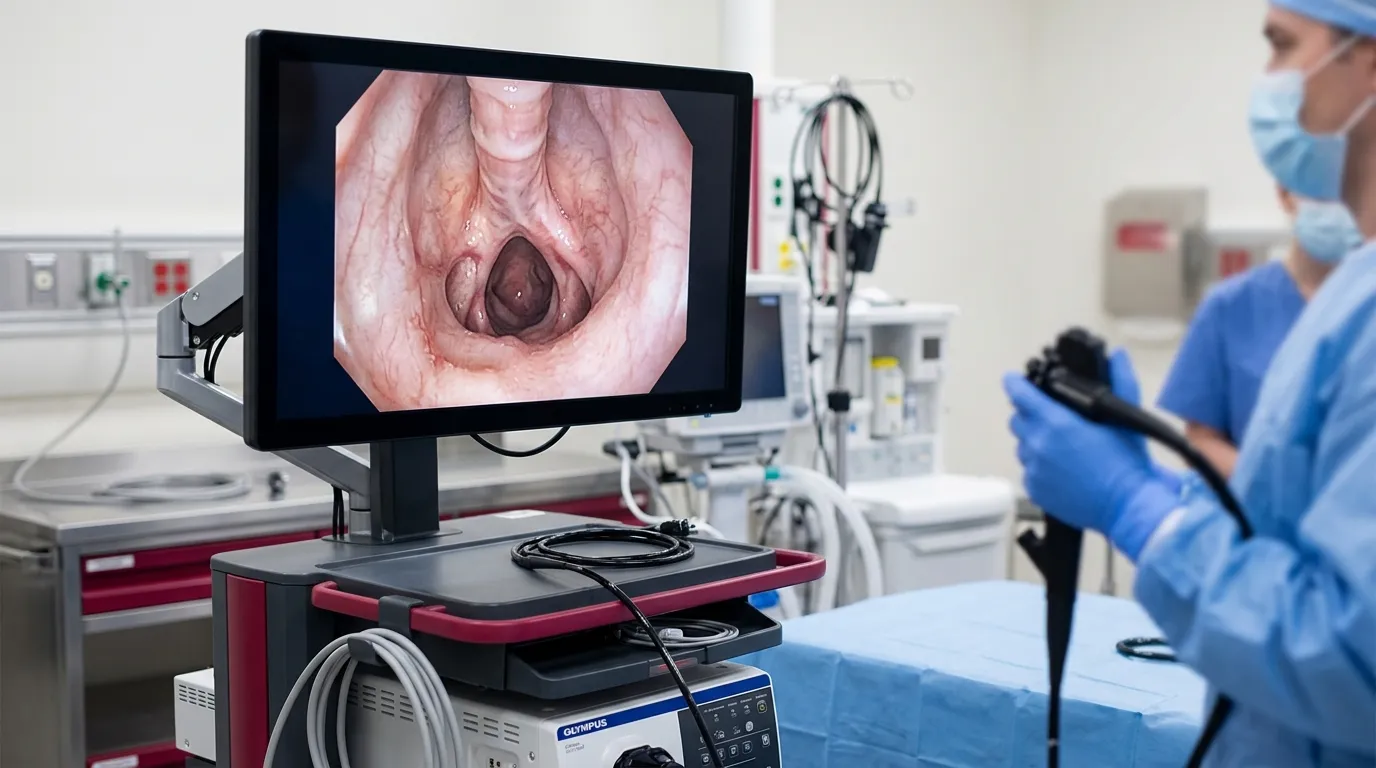
What is Interventional Pulmonology?
Interventional pulmonology is an advanced sub-specialty of respiratory medicine that moves beyond traditional medical pharmacology to perform active, minimally invasive endoscopic procedures within the airway and pleural space. The human respiratory system is comprised of the trachea, major bronchi, and smaller branching airways that lead into the gas-exchanging lobes of the lungs. The lungs are wrapped in a double-layered membrane called the pleura. When tumors, severe infections, or inflammatory processes affect these deep structures, traditional non-invasive diagnostics (such as sputum tests or basic imaging) are often insufficient to provide a clear path forward.
Through interventional pulmonology, a pulmonologist can introduce thin, flexible, lighted tubes equipped with high-definition cameras (bronchoscopes) directly into the respiratory tract. Using advanced tools such as Endobronchial Ultrasound (EBUS), we can visualize the structures beyond the airway wall in real-time, allowing us to perform precise needle biopsies of enlarged mediastinal lymph nodes. This is vital for accurate lung cancer staging and diagnosing inflammatory diseases like sarcoidosis or tuberculosis.
Beyond diagnosis, interventional pulmonology provides critical therapeutic solutions. For patients with central airway obstructions caused by growing tumors, interventionalists can deploy rigid bronchoscopy to perform mechanical debulking, execute balloon dilatation, or insert metallic and silicone stents to keep the airway open. Similarly, for patients suffering from recurring fluid buildup around the lungs (pleural effusions), medical thoracoscopy and indwelling pleural catheters provide direct relief. These techniques avoid the morbidity of open-chest surgeries (thoracotomy), reducing recovery time and offering rapid improvements in respiratory function.
Who Needs Interventional Pulmonology?
Interventional pulmonology is recommended for patients who present with complex thoracic pathology that requires direct internal visualization, tissue sampling, or mechanical airway clearing. These procedures are typically triggered after a primary physician identifies abnormal structures on a chest X-ray or high-resolution CT scan.
The most common indications and conditions treated include:
- Mediastinal Lymphadenopathy: Enlargement of lymph nodes in the center of the chest, requiring EBUS-guided biopsy for staging lung cancer or diagnosing sarcoidosis.
- Tracheobronchial Stenosis: Narrowing of the main airways due to post-intubation injury, inflammatory diseases, or tumor compression, leading to severe breathlessness resembling refractory asthma.
- Malignant Airway Obstruction: Tumors directly blocking the main airways, causing lung collapse and recurrent pneumonia, which are major complications of chronic lung diseases.
- Unexplained Pleural Effusions: Build-up of fluid in the pleural space around the lungs, requiring diagnostic thoracoscopy or insertion of long-term pleural drains for palliative care.
- Hemoptysis: Unexplained coughing up of blood, requiring urgent bronchoscopic examination to locate the source and achieve control.
If you have been diagnosed with a lung mass, mediastinal node enlargement, or have fluid accumulation around the lungs, our interventional specialist, Dr. Harsha Jain, will coordinate with you to outline the safest, most precise interventional pathway.
The Procedure: What to Expect
Pre-Procedure Assessment
Before any interventional procedure, patients undergo a thorough clinical assessment, including blood coagulation profiles, ECG, and pulmonary function tests. You will be instructed to fast for 6 hours prior to the procedure. Dr. Harsha and our anesthesia team will review the sedation plan to ensure your safety.
The Interventional Procedure
In our specialized endoscopy suite, local numbing spray is applied to your throat, and sedation or general anesthesia is administered. Dr. Harsha gently passes the bronchoscope or thoracoscope. Using live imaging, real-time biopsies are taken, or therapeutic measures (like fluid drainage or stenting) are performed. The procedure lasts between 30 to 90 minutes.
Post-Procedure Recovery
You will recover in our monitored day-care unit for 1 to 2 hours. Once the local throat anesthesia wears off, you can resume drinking fluids. Most diagnostic procedures are performed on an outpatient basis, allowing you to return home the same day. Full recovery is typical within 24 hours, with minimal throat soreness.
Why Choose Vaayu in Shivajinagar, Pune?
Vaayu Chest & Pain Clinic is Shivajinagar's premier destination for advanced respiratory care. Our interventional pulmonology department is led by Dr. Harsha Jain, an exceptionally trained Pulmonologist (MBBS MD DNB Respiratory Medicine). Dr. Harsha possesses specialized, hands-on training in interventional pulmonology, EBUS, and medical thoracoscopy from leading institutions, ensuring that patients receive international-standard medical care.
Our facility is equipped with advanced high-definition diagnostic bronchoscopes and EBUS systems. This advanced infrastructure enables us to achieve extremely high diagnostic yields for deep lung nodules and mediastinal masses while prioritizing patient safety. Our location in Shivajinagar, inside the premium Spectrum Business Spaces, provides excellent accessibility and convenience for patients seeking specialist consultations in central Pune.
Frequently Asked Questions
Interventional pulmonology is a highly specialized sub-branch of pulmonary medicine that focuses on using advanced, minimally invasive endoscopic procedures to diagnose and treat diseases of the lungs and thoracic cavity. Unlike general pulmonology, which relies primarily on medical management, oral pharmacotherapy, and inhaler scripts, interventional pulmonology utilizes advanced tools like flexible and rigid bronchoscopes, endobronchial ultrasound (EBUS), and pleural catheters. This allows the specialist to directly view the airway, take precise biopsies, and treat complex conditions such as airway blockages or fluid accumulation without major open surgeries.
The most common procedures include diagnostic bronchoscopy (inserting a thin tube with a camera into the airway), Endobronchial Ultrasound (EBUS) for precise lymph node biopsy and staging, medical thoracoscopy (visualizing the pleural space surrounding the lungs), and balloon dilatation or airway stenting to open up collapsed breathing passages. Our clinic also performs thoracentesis and placement of tunnelled pleural catheters to manage recurring fluid build-up around the lungs, providing rapid relief from severe shortness of breath.
Yes, patient comfort is our highest priority. Simple diagnostic bronchoscopies are typically performed under conscious sedation (twilight sleep) combined with a local anesthetic spray to numb the throat. For more complex interventional procedures, such as rigid bronchoscopy, EBUS-guided biopsy, or airway stent placement, general anesthesia is administered. This ensures that the patient remains completely asleep, pain-free, and safe throughout the entire clinical procedure, allowing Dr. Harsha to perform precise interventions.
Since these procedures are minimally invasive, recovery is relatively fast. Most patients are monitored in our recovery room for 1 to 2 hours until the sedative or anesthetic wears off. You may experience a mild sore throat, hoarseness, or a temporary dry cough for the first 24 to 48 hours. Most patients can return to their normal daily routine the very next day. However, we advise avoiding heavy lifting, strenuous physical exercise, or driving for the first 24 hours post-procedure.
An interventional procedure is typically recommended if you have unresolved respiratory symptoms that cannot be diagnosed through basic chest X-rays or CT scans alone. Key indicators include coughing up blood (hemoptysis), unexplained persistent cough lasting several months, a lung nodule or mass discovered on a scan, severe breathlessness caused by fluid accumulation around the lungs, or suspected narrowing of the airways due to tumors, infections, or post-intubation scarring.
Interventional pulmonary procedures are highly safe, with a very low risk of major complications. Minor risks include temporary bleeding at the biopsy site, localized throat discomfort, or a minor fever. A rare complication is a pneumothorax (air leak in the lung lining), which occurs in less than 2% of cases and is easily managed by our clinical team. Dr. Harsha Jain conducts a comprehensive pre-operative assessment of cardiac and pulmonary reserves to ensure every patient is fit for the procedure.
Related Lung Services
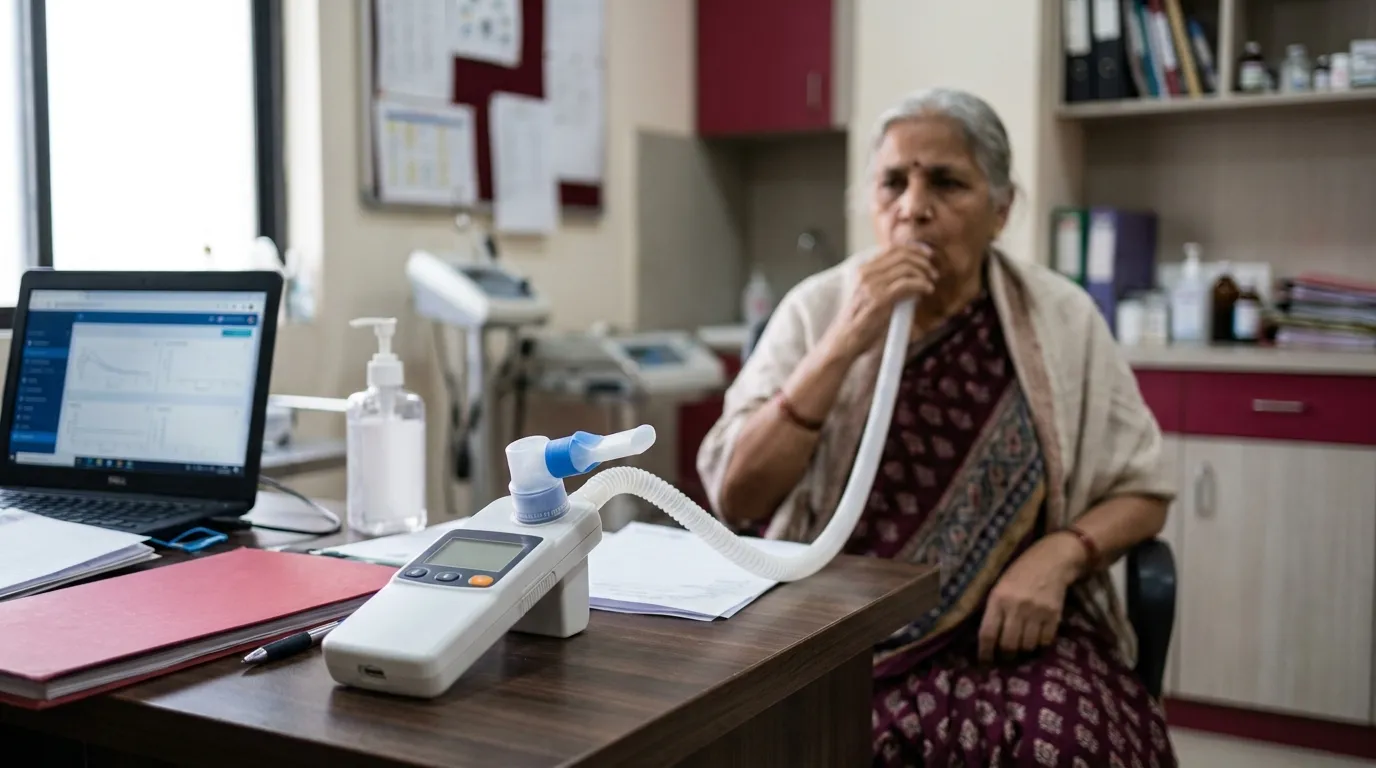
Chronic Lung Disease
Sustained clinical management pathways for Asthma, COPD, and Interstitial Lung Disease (ILD).
Learn More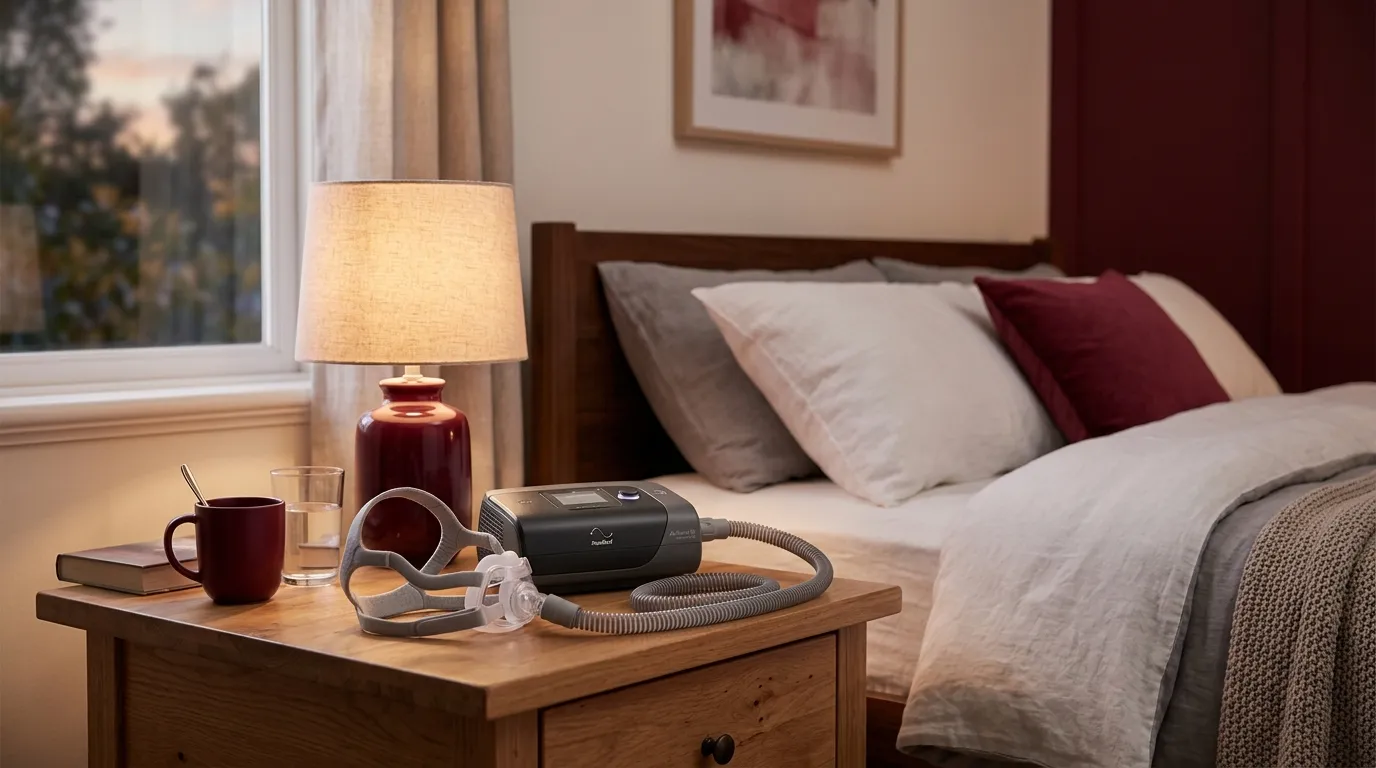
Sleep Medicine & Apnea
Diagnosis and therapeutic titration for obstructive sleep apnea, heavy snoring, and related sleep disorders.
Learn More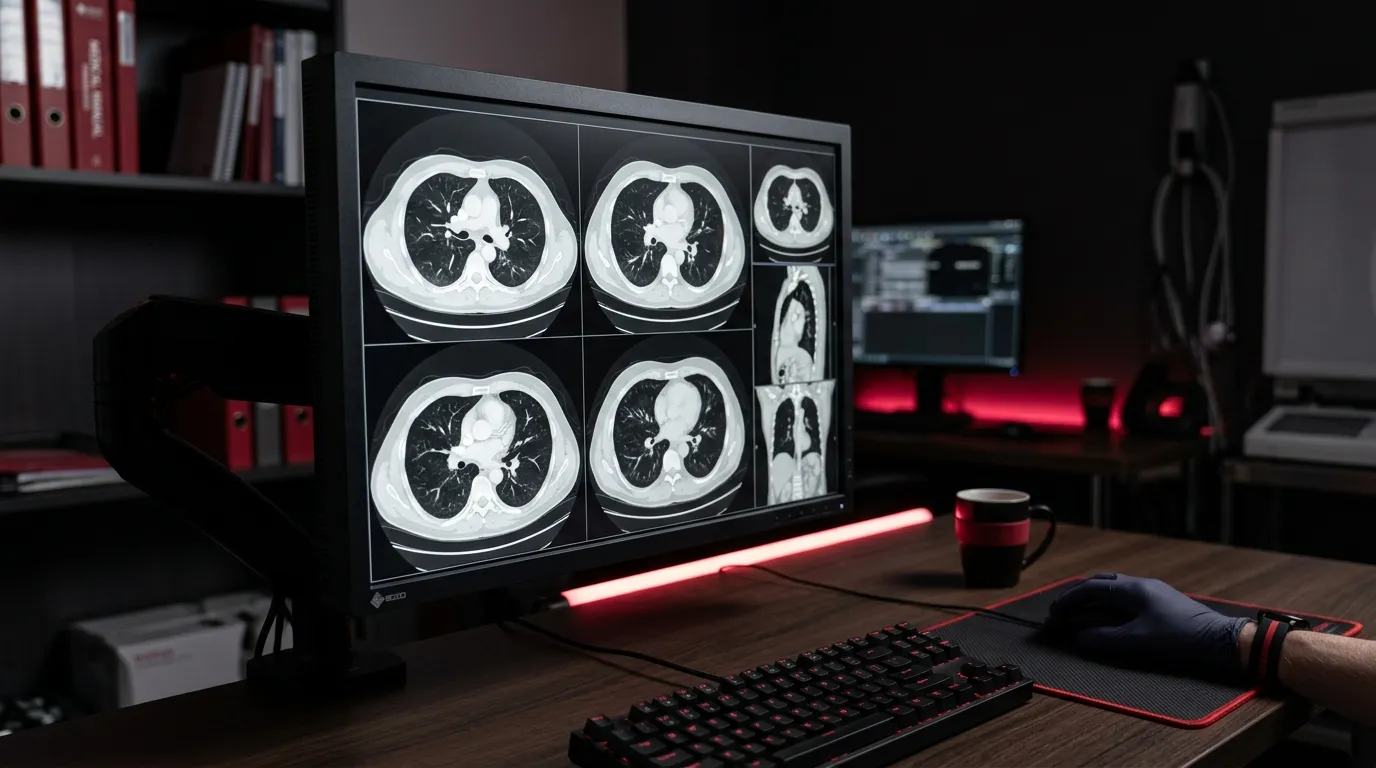
Lung Cancer Management
Multi-disciplinary staging, diagnostic support, and palliative airway tumor management therapies.
Learn More
Critical Care Pulmonology
Specialized management for acute respiratory failure, ventilator management, and severe lung infections.
Learn MoreAlso serving Pune Region
We offer the exact same advanced interventional pulmonology treatments directly at our main Pune facility.
View Location VariantExpert Diagnosis and Advanced Airway Care
Schedule your interventional pulmonology consultation at Vaayu Chest & Pain Clinic today. Call our Shivajinagar desk or book online.