Back Pain: Symptoms, Causes & Treatment in Pune
Back pain is a common, often debilitating condition that affects the muscles, nerves, and spinal structures. At Vaayu Chest & Pain Clinic in Pune, Dr. Parag Vijay Munot provides comprehensive, non-surgical assessments and advanced interventional treatments to relieve pain and support spinal health.
Book Free Consultation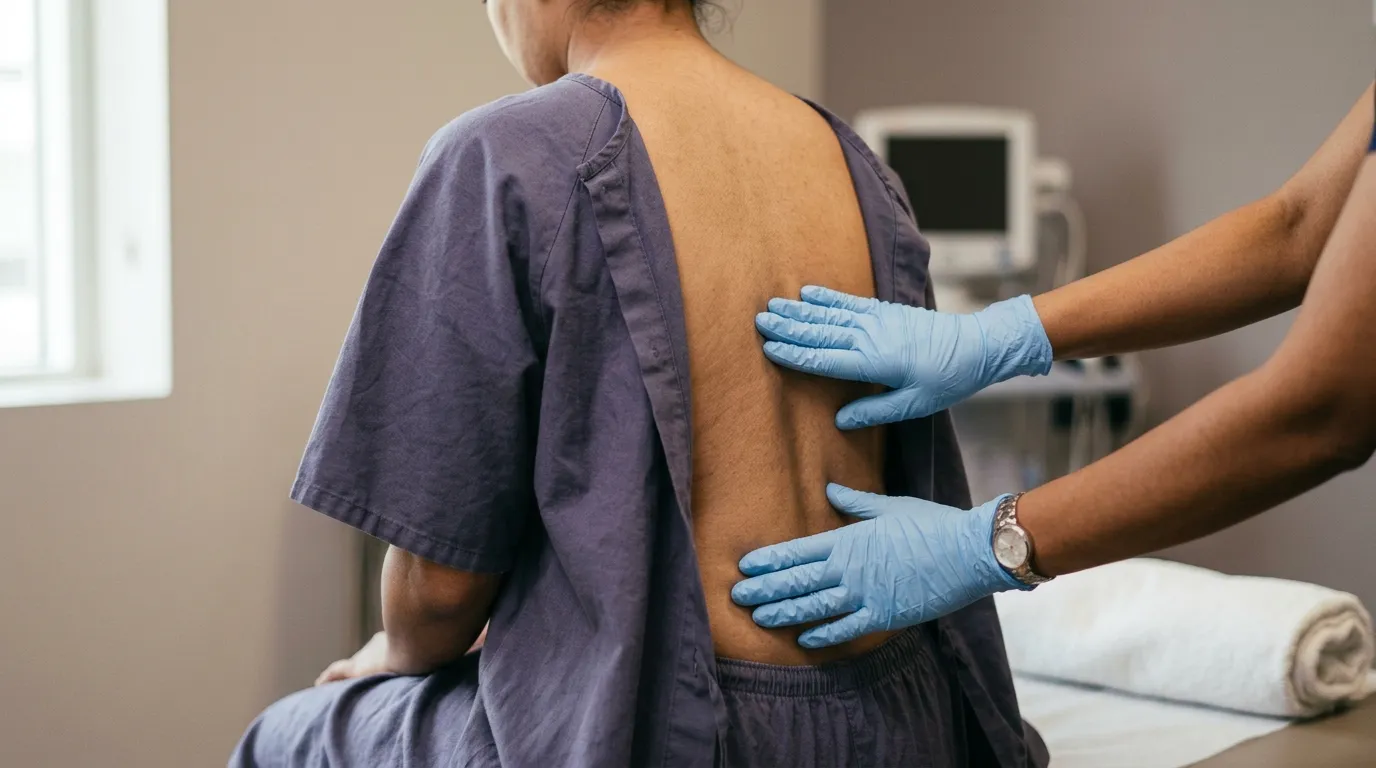
What is Back Pain?
Back pain is one of the most common physical ailments globally, affecting the musculoskeletal structure of the spine, including muscles, ligaments, tendons, discs, and nerves. The spine is a complex structure of 24 movable bones (vertebrae) separated by cushioning discs. These discs absorb shock and allow the spine to bend and twist. When any of these components are injured or inflamed, back pain occurs.
Back pain is classified by its duration: acute (lasting less than six weeks), sub-acute (six to twelve weeks), or chronic (lasting longer than twelve weeks). While acute back pain is often muscular and resolves with rest, chronic back pain usually points to underlying structural issues. These issues can include disc herniation, facet joint arthritis, or nerve compression.
Managing chronic back pain requires a precise diagnostic approach to identify the source of the pain rather than just treating symptoms. Led by Dr. Parag Vijay Munot, our clinic uses detailed physical examinations and advanced imaging (such as MRIs or CT scans) to identify the specific structures involved. This helps us design targeted, non-surgical treatment plans.
Symptoms & Common Causes
Back pain symptoms can vary widely depending on the underlying cause. Some patients experience localized, dull soreness, while others suffer from sharp, shooting pain that radiates into the legs.
Common symptoms of back pain include:
- Localized Muscular Soreness: A dull ache in the lower back that worsens after sitting or standing for long periods.
- Radiating Pain (Sciatica): Sharp, shooting pain that travels from the lower back through the buttock and down the leg, often reaching the foot.
- Reduced Range of Motion: Difficulty bending forward, twisting, or standing up straight.
- Numbness or Tingling: A 'pins and needles' sensation in the lower back, buttocks, or legs.
- Local Muscle Spasms: Intense, painful muscle contractions in the lower back.
Understanding the cause of your back pain is essential for choosing the right treatment. The most common causes include:
1. Herniated or Bulging Discs: A disc's soft center can press through its outer ring, compressing nearby spinal nerves.
2. Facet Joint Osteoarthritis: Wear and tear of the small joints connecting the vertebrae, leading to localized inflammation.
3. Spinal Stenosis: Narrowing of the spinal canal, which puts pressure on the spinal cord and nerves.
4. Spondylolisthesis: A vertebra slipping forward over the bone below it, causing nerve compression.
5. Muscle or Ligament Strains: Caused by heavy lifting, sudden twisting, or poor posture.
When to See a Doctor / Red Flags
While many cases of back pain resolve with rest, certain warning signs, known as 'red flags', require prompt medical evaluation. Ignoring these signs can lead to progressive nerve damage or other complications.
Seek Immediate Medical Care If You Experience:
- Sudden loss of bowel or bladder control (incontinence or inability to urinate).
- Numbness in the groin, buttocks, or inner thighs (saddle anesthesia).
- Progressive muscle weakness in one or both legs, such as difficulty lifting your foot (foot drop).
- Severe back pain accompanied by high fever, chills, or unexplained weight loss.
- Pain that worsens significantly when lying down or wakes you from sleep.
- Back pain following a major injury, such as a fall or car accident.
If you experience any of these red flags, seek urgent medical evaluation to rule out serious conditions like Cauda Equina Syndrome or spinal infections.
Treatment Options at Vaayu
At Vaayu Chest & Pain Clinic, we specialize in providing advanced, non-surgical interventional treatments for chronic back pain. Our goal is to reduce nerve inflammation, block pain pathways, and help you return to active daily living without relying on major surgery.
Our primary interventional options include:
- Epidural & Spinal Injections: Direct injection of anti-inflammatory medications next to compressed nerves under live fluoroscopic guidance to reduce inflammation and relieve sciatica.
- Nerve Blocks & Radiofrequency Ablation (RFA): Targeted blocks to identify painful facet joints, followed by RFA to provide long-term pain relief by safely interrupting nerve signals.
- Trigger Point Injections: Local injections to release painful muscle knots (myofascial trigger points) in the lower back.
- Multimodal Analgesia: A customized medication plan designed to target different pain pathways with minimal side effects.
By combining these procedures with structured physical rehabilitation, we help patients achieve long-term spinal health.
Why Choose Vaayu in Pune?
Vaayu Chest & Pain Clinic is a leading center for advanced, interventional pain management in Pune. Our dedicated pain services are led by Dr. Parag Vijay Munot, a highly respected Pain Physician and Anesthesiologist (MBBS MD FICP). Dr. Parag specializes in providing advanced, image-guided blocks and non-surgical treatments for complex spinal pain.
We prioritize patient safety, precise diagnosis, and long-term relief. By using advanced fluoroscopic and ultrasound imaging, we ensure all injections are performed with high accuracy. We offer personalized, compassionate care and coordinate directly with physical therapists to support your complete recovery.
Frequently Asked Questions
Chronic back pain is frequently caused by structural changes in the spine. The most common causes include lumbar disc herniations (where the jelly-like center of a spinal disc leaks and compresses nearby nerves), spinal stenosis (the narrowing of the spinal canal which puts pressure on the spinal cord), osteoarthritis of the facet joints (wear and tear of the small joints connecting the vertebrae), and degenerative disc disease. Muscle strain or poor posture can cause acute pain, but chronic pain usually involves these deeper structural issues.
Sciatica is a specific type of back pain caused by compression or irritation of the sciatic nerve, the largest nerve in the body. While general back pain is localized to the lower back area, sciatica presents as a sharp, shooting, or burning pain that travels from the lower back down through the buttock and into the thigh, calf, or foot. It is often accompanied by numbness, tingling, or muscle weakness in the affected leg, and is typically caused by a herniated disc compressing a nerve root.
Back pain should be treated as an emergency if it is accompanied by certain warning signs, known as 'red flags'. These include sudden bowel or bladder dysfunction (incontinence or inability to urinate), numbness in the groin or saddle area (saddle anesthesia), progressive muscle weakness in one or both legs (such as foot drop), or severe pain accompanied by high fever. These symptoms suggest Cauda Equina Syndrome, a serious neurological emergency that requires immediate surgical evaluation to prevent permanent nerve damage.
At Vaayu Chest & Pain Clinic, we offer advanced, non-surgical interventional treatments for back pain. These include image-guided epidural steroid injections to reduce nerve root inflammation, selective nerve root blocks (SNRB) to target specific painful nerves, and radiofrequency ablation (RFA) to provide long-term relief for facet joint pain. These procedures are performed on a daycare basis under live fluoroscopic or ultrasound guidance to ensure safety and precision.
Epidural steroid injections are performed under local anesthesia to numb the skin, making the procedure very tolerable. Most patients feel only a mild pressure sensation during the injection. The duration of pain relief varies from patient to patient, typically lasting from several weeks to many months. The primary goal of the injection is to reduce inflammation, which helps patients participate in physical therapy to achieve long-term spinal recovery.
Posture correction, core strengthening, and active stretching are vital components of a successful recovery plan for chronic back pain. Strengthening the abdominal and back muscles helps support the spine, reducing the load on spinal discs and facet joints. However, for patients with severe pain or nerve compression, interventional procedures are often needed first to reduce pain levels. This pain reduction enables patients to participate comfortably in a structured physical rehabilitation program.
Other Pain Conditions
Neck Pain
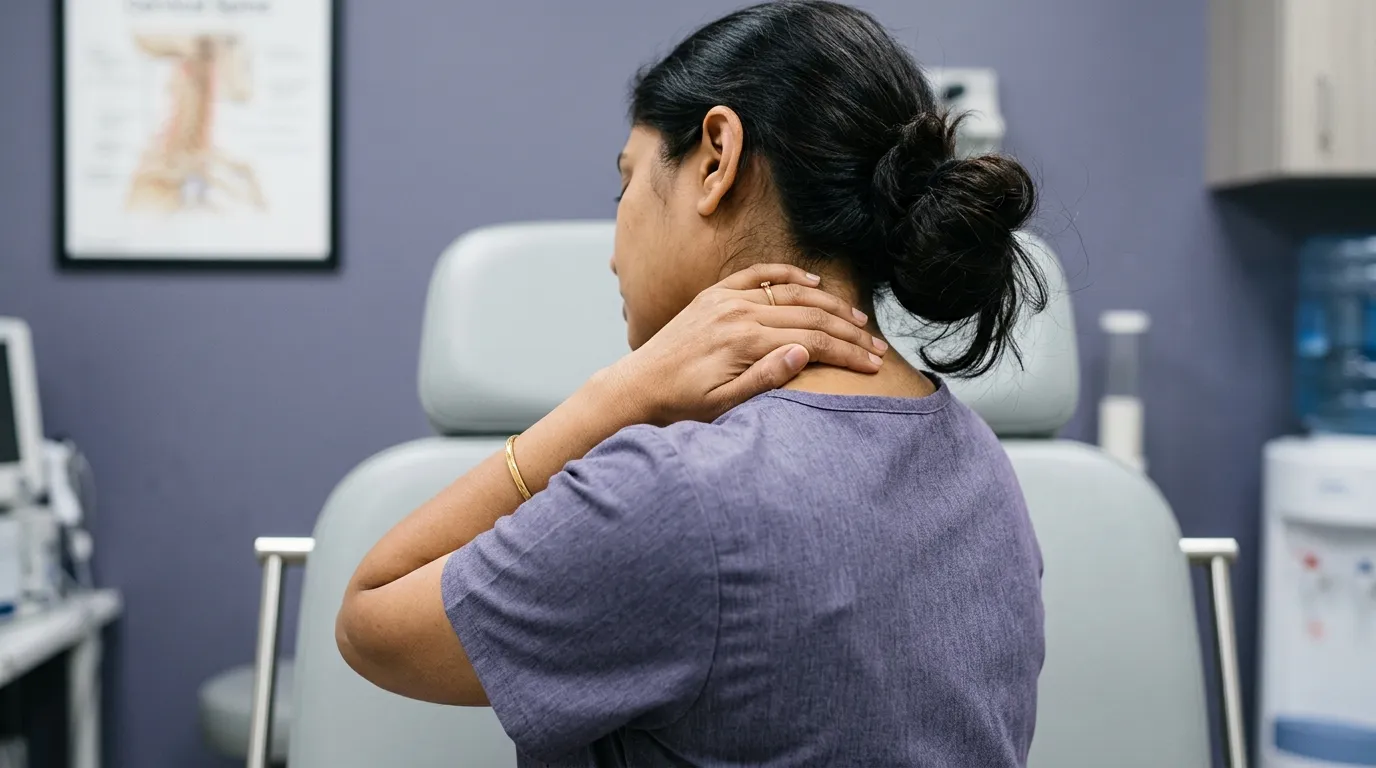
Comprehensive diagnosis and targeted therapies for cervical disc disease, muscle spasms, and stiffness.
Learn More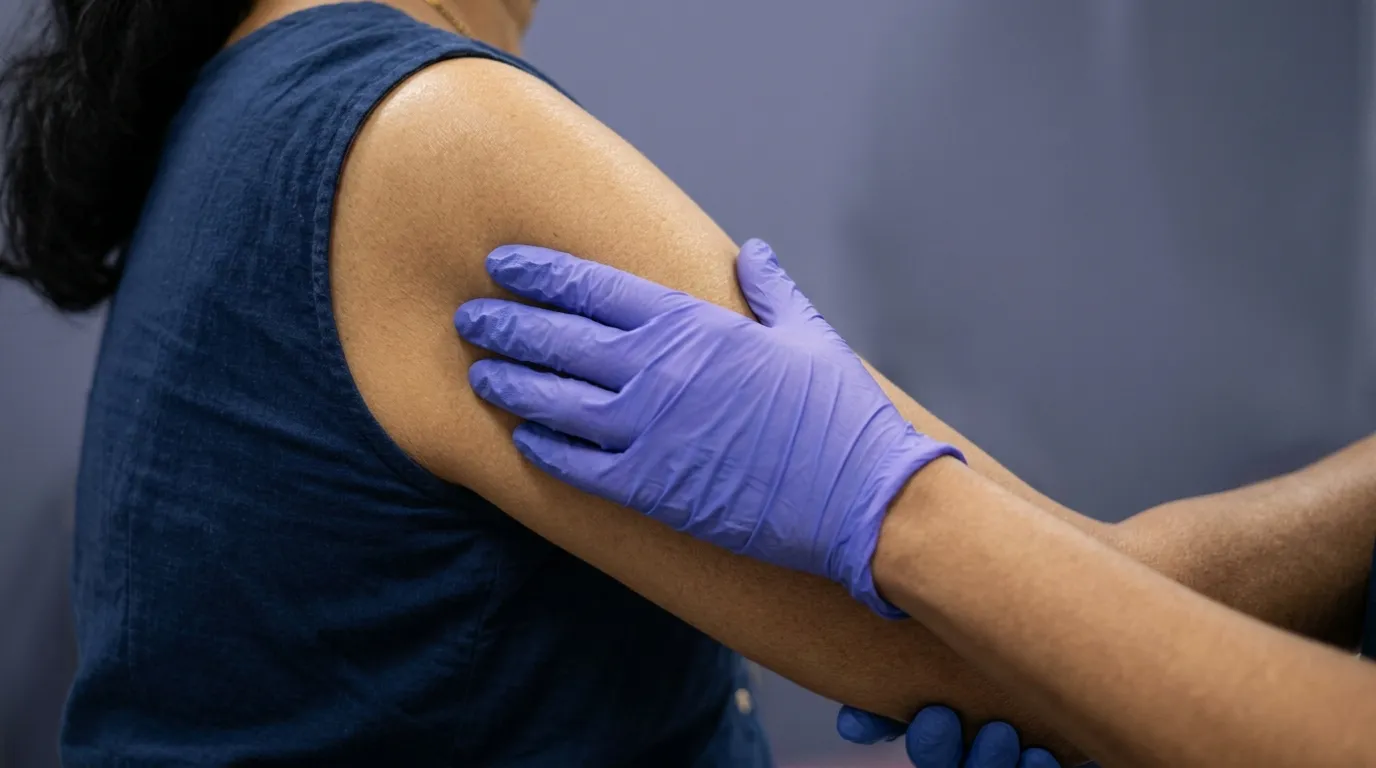
Shoulder Pain
Non-surgical management for frozen shoulder, rotator cuff injuries, and joint inflammation.
Learn More
Knee Pain
Advanced joint injections and non-surgical therapies for osteoarthritis and sports injuries.
Learn MoreExpert Diagnosis and Advanced Spinal Care
Schedule your clinical assessment or interventional spine consultation at Vaayu Chest & Pain Clinic today. Call our Pune desk or book online.