Knee Pain: Symptoms, Causes & Treatment in Pune
Knee pain is a common, often disabling joint condition that affects the cartilage, ligaments, and nerves of the knee. At Vaayu Chest & Pain Clinic in Pune, Dr. Parag Vijay Munot provides comprehensive, non-surgical joint preservation assessments and advanced nerve ablation treatments.
Book Free Consultation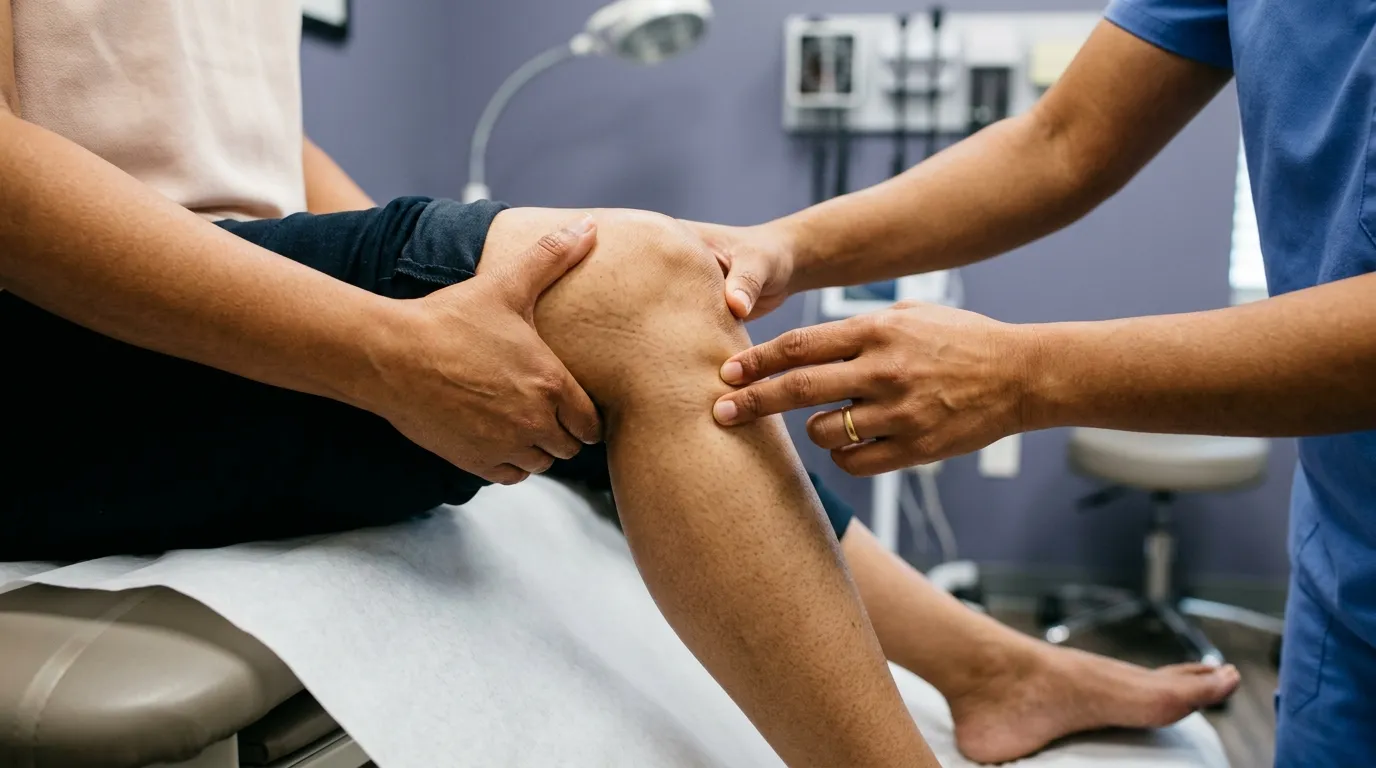
What is Knee Pain?
Knee pain is a highly prevalent physical complaint that can affect people of all ages, involving the bones, cartilage, ligaments, tendons, and fluid-filled sacs (bursae) that make up the knee joint. The knee is a complex, weight-bearing hinge joint that supports the body's weight during movements like walking, running, and jumping. Because it is highly active, it is prone to acute injuries and chronic wear and tear.
Chronic knee pain is most commonly caused by wear and tear of the joint cartilage, a condition known as osteoarthritis. As cartilage wears away, the bones rub together, causing friction, pain, stiffness, and inflammation. Knee pain can also be caused by injuries to the ligaments (such as ACL or MCL tears) or the cushioning cartilage (meniscus tears), which can lead to long-term joint instability if left untreated.
Under the expert guidance of Dr. Parag Vijay Munot, our clinic focuses on non-surgical treatments to preserve the joint. We perform detailed clinical evaluations and use advanced imaging to identify the specific cause of your knee pain, helping you explore effective alternatives to major knee replacement surgery.
Symptoms & Common Causes
Knee pain symptoms vary depending on the underlying structure involved. Pain can range from a mild, localized ache during certain activities to constant, severe pain that prevents walking.
Common symptoms of knee joint conditions include:
- Joint Stiffness: Difficulty bending or fully straightening the knee, especially in the morning or after sitting.
- Swelling and Warmth: Visible swelling around the kneecap, often accompanied by joint warmth and redness.
- Instability or 'Giving Way': A feeling that the knee joint is unstable and may collapse under your weight.
- Crepitus (Grating Sensation): A grinding, popping, or clicking sound or sensation when moving the joint.
- Pain with Weight-Bearing: Sharp pain when walking, climbing stairs, or standing up from a chair.
Identifying the cause of knee pain is key to planning the right treatment. The most common causes include:
1. Osteoarthritis (OA): The gradual wear and tear of articular cartilage, which is the most common cause of chronic knee pain.
2. Meniscal Tears: Injury to the shock-absorbing cartilage rings inside the knee, often caused by twisting movements.
3. Ligament Sprains or Tears: Injuries to the ACL, MCL, or LCL, which can lead to chronic joint instability.
4. Patellofemoral Pain Syndrome: Pain behind or around the kneecap, often caused by poor tracking of the kneecap.
5. Bursitis and Tendonitis: Inflammation of the tendons or fluid-filled sacs that protect the joint.
When to See a Doctor / Red Flags
Many mild knee injuries resolve with rest and ice, but certain warning signs indicate a serious condition that requires prompt medical evaluation by a pain specialist.
Seek Immediate Medical Care If You Experience:
- The inability to bear any weight on the affected leg or stand walk.
- Sudden, severe joint swelling or a visibly deformed knee joint.
- A locked knee joint where you cannot bend or straighten the leg.
- Severe joint pain accompanied by high fever, joint warmth, and redness (suggesting septic arthritis).
- Constant, throbbing joint pain that persists even at rest and disrupts sleep.
- Significant calf swelling, warmth, or redness below the painful knee.
If you experience any of these red flags, seek a medical evaluation to prevent permanent joint damage or rule out serious conditions like joint infections.
Treatment Options at Vaayu
At Vaayu Chest & Pain Clinic, we specialize in providing advanced, non-surgical interventional treatments for chronic knee pain. Our goal is to reduce joint inflammation, block pain pathways, and help you return to active daily living.
Our primary treatment options include:
- Genicular Nerve Blocks & Radiofrequency Ablation (RFA): A highly effective, non-surgical procedure that targets the sensory nerves supplying the knee joint, disabling them to block pain signals.
- Image-Guided Joint Injections: Precise injections of anti-inflammatory medications or lubricating agents (hyaluronic acid) directly into the joint under live ultrasound guidance.
- Acute Postoperative Pain Blocks: Regional blocks matching Critical Care Pain Procedures to manage pain and support early movement after joint surgeries.
- Structured Physical Rehabilitation: Coordination with physical therapists to strengthen the muscles supporting the knee joint.
These advanced, non-surgical options help many patients achieve long-term pain relief and improve their mobility.
Why Choose Vaayu in Pune?
Vaayu Chest & Pain Clinic is a leading center for advanced, interventional pain management in Pune. Our dedicated pain services are led by Dr. Parag Vijay Munot, a highly respected Pain Physician and Anesthesiologist (MBBS MD FICP). Dr. Parag specializes in providing advanced, image-guided blocks and non-surgical treatments for complex joint pain.
We prioritize patient safety, precise diagnosis, and long-term relief. By using advanced fluoroscopic and ultrasound imaging, we ensure all injections are performed with high accuracy. We offer personalized, compassionate care and coordinate directly with physical therapists to support your complete recovery.
Frequently Asked Questions
The primary cause of chronic knee pain in older adults is osteoarthritis, a degenerative joint disease characterized by the gradual breakdown of protective articular cartilage. As the cartilage wears away, the bones of the knee joint rub against each other, causing friction, pain, swelling, and stiffness. Other causes include chronic bursitis (inflammation of the fluid-filled sacs protecting the joint), patellofemoral pain syndrome, tendonitis, or old ligament and meniscus tears that lead to secondary joint degeneration.
Knee radiofrequency ablation, also known as genicular nerve block and ablation, is a specialized non-surgical treatment that targets the sensory nerves supplying the knee joint (genicular nerves). Under live imaging, a specialized needle is placed near these nerves, and radiofrequency energy is applied to temporarily disable them. This blocks pain signals from reaching the brain, providing significant, long-term pain relief for patients with severe osteoarthritis or those who cannot undergo knee replacement surgery.
Knee pain should be evaluated by a pain specialist if it persists for more than four to six weeks despite conservative treatments like rest, ice, or over-the-counter pain medications. It is also important to seek specialist evaluation if the pain interferes with daily activities like walking or climbing stairs, if you experience joint instability or 'giving way', or if you want to explore non-surgical options to manage severe osteoarthritis.
Serious knee joint conditions requiring immediate medical evaluation include: the inability to bear weight on the leg, sudden and severe joint swelling, a visibly deformed joint, locked knee (inability to bend or straighten the joint), high fever accompanied by joint warmth and redness (suggesting an infection or septic arthritis), or severe, throbbing pain at rest that wakes you from sleep.
Yes, joint injections are safe when performed by an experienced specialist using sterile techniques and live imaging guidance. At Vaayu Chest & Pain Clinic, we offer targeted anti-inflammatory injections (such as corticosteroids) to reduce acute joint swelling, hyaluronic acid injections (viscosupplementation) to lubricate the joint, and genicular nerve blocks. Live ultrasound or fluoroscopic guidance is used to ensure precise placement of the medication.
Yes, structured physical therapy is key to recovering joint function and preventing future injury. Exercises focused on strengthening the quadriceps, hamstrings, and calf muscles help support the knee joint, reducing the load on the joint surfaces. For patients with severe pain, performing interventional procedures first helps reduce pain levels, enabling them to participate comfortably in a physical rehabilitation program.
Other Pain Conditions
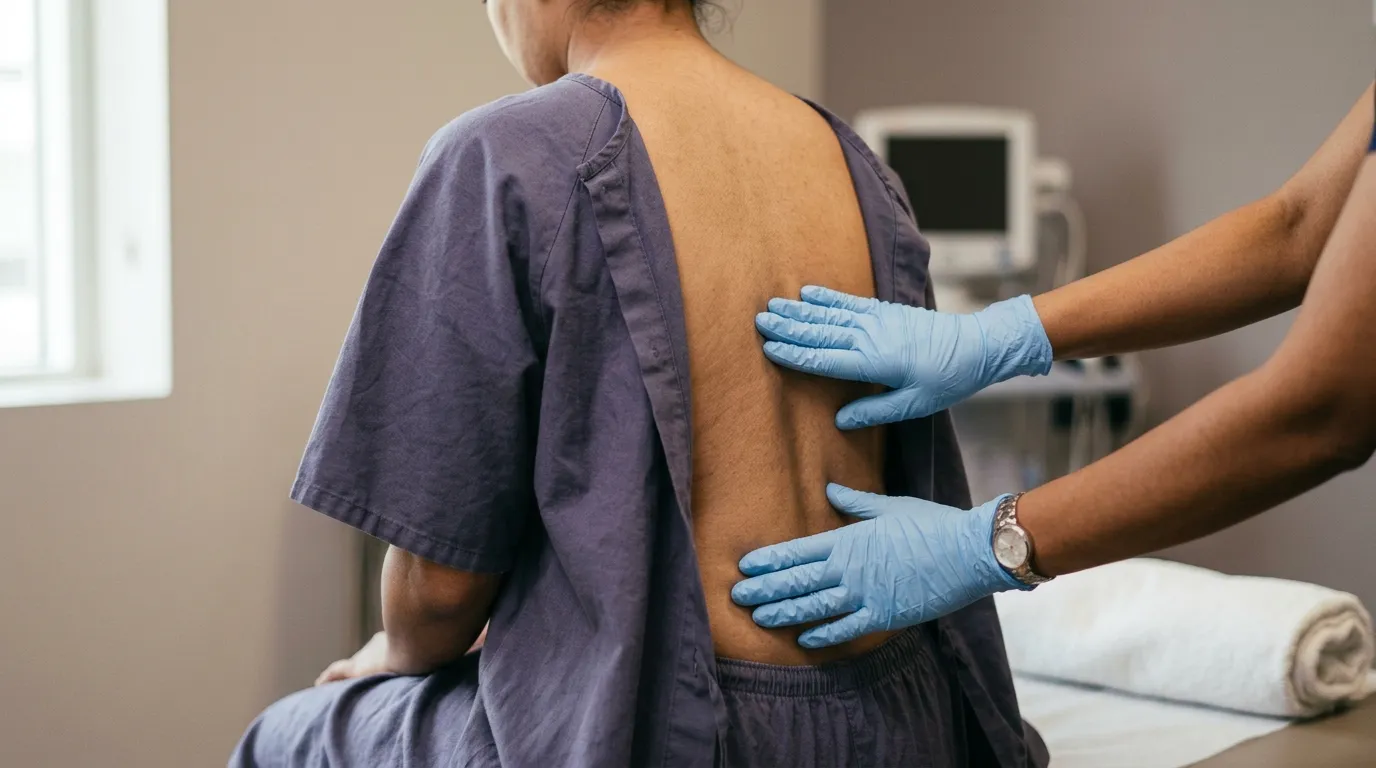
Back Pain
Non-surgical interventional treatments for sciatica, disc herniations, and spinal stenosis.
Learn More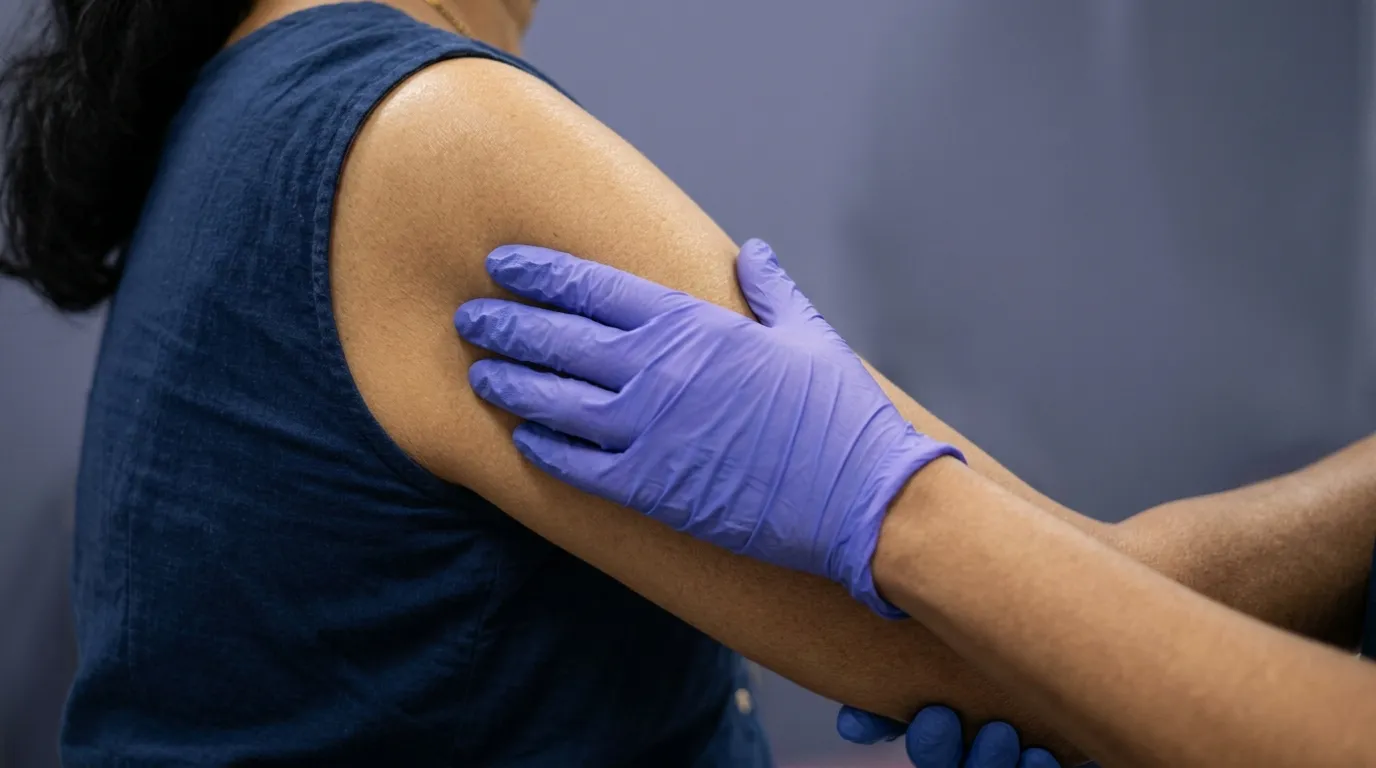
Shoulder Pain
Non-surgical management for frozen shoulder, rotator cuff injuries, and joint inflammation.
Learn More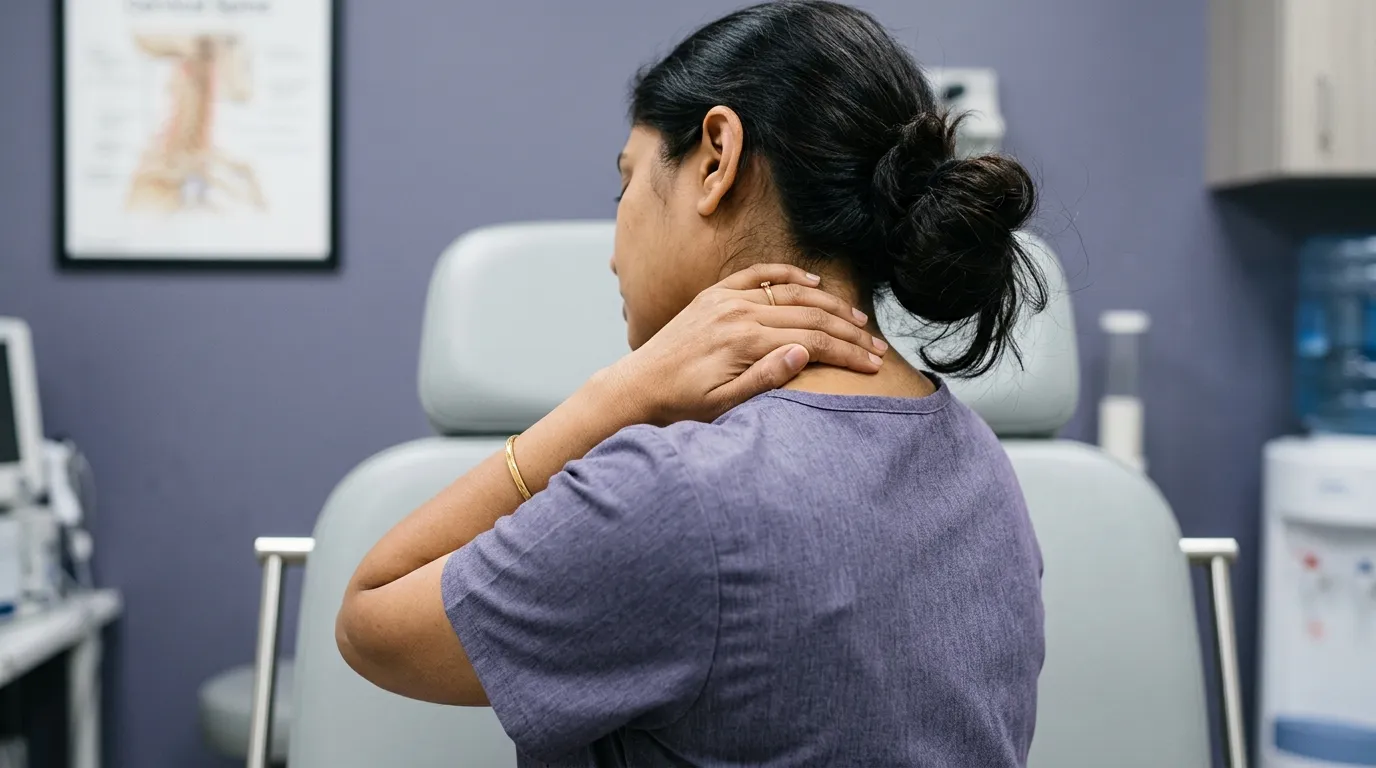
Neck Pain
Comprehensive diagnosis and targeted therapies for cervical disc disease, muscle spasms, and stiffness.
Learn MoreExpert Diagnosis and Advanced Knee Joint Care
Schedule your clinical assessment or interventional knee consult at Vaayu Chest & Pain Clinic today. Call our Pune desk or book online.