Lung Fibrosis: Symptoms, Causes & Treatment in Pune
Lung fibrosis involves the chronic, progressive scarring and stiffening of lung tissue, causing persistent breathing difficulties. At Vaayu Chest & Pain Clinic in Pune, pulmonologist Dr. Harsha Jain provides advanced high-resolution diagnostics, oxygen monitoring, and structured pulmonary rehabilitation.
Book Free Consultation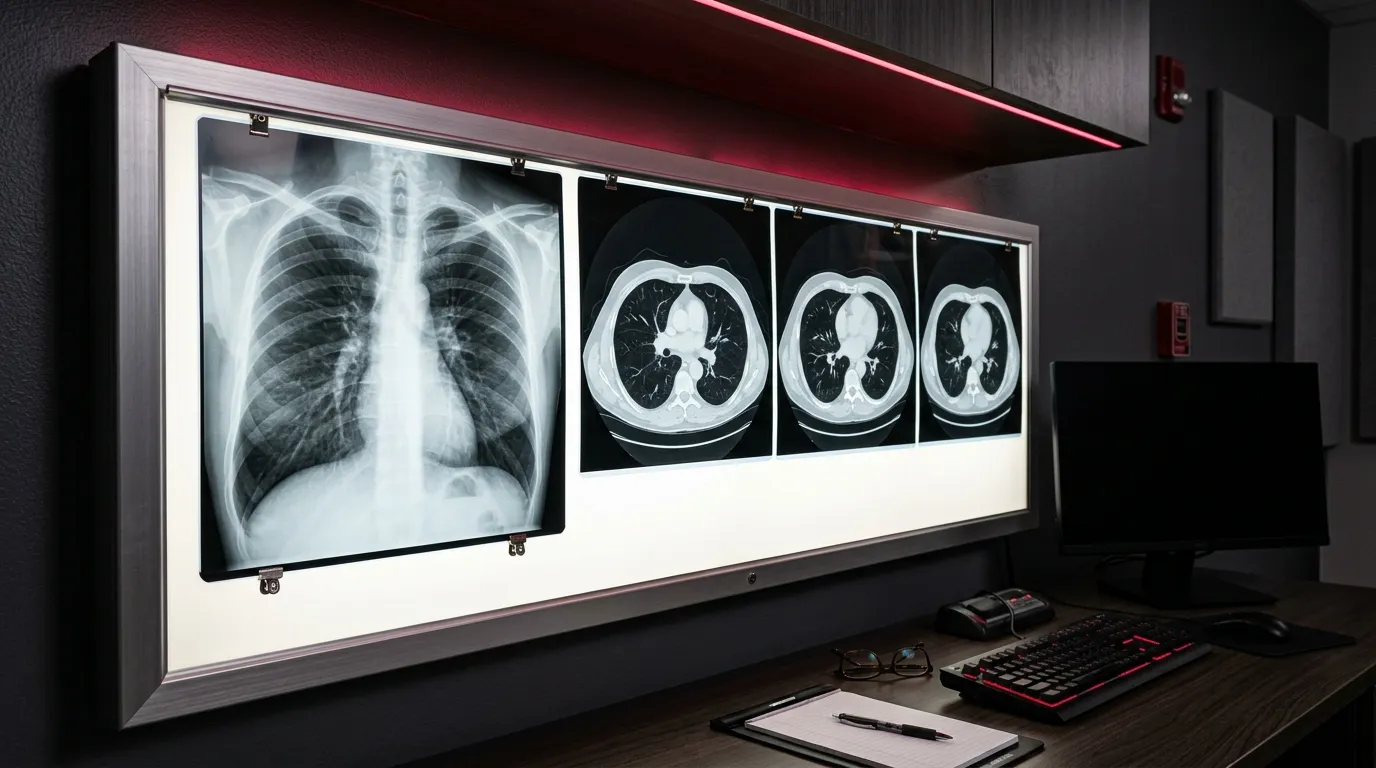
What is Lung Fibrosis?
Lung fibrosis, also known as pulmonary fibrosis, is a chronic, progressive, and debilitating respiratory disease characterized by the scarring and thickening of the delicate lung tissue. This scarring occurs in the interstitium, which is the network of tissue that surrounds and supports the tiny air sacs (alveoli) where oxygen and carbon dioxide are exchanged.
As the scar tissue builds up, it becomes thick, stiff, and inelastic. This stiffening restricts the lungs' ability to expand normally during breathing, reducing lung capacity. It also creates a thick barrier that hinders the transfer of oxygen from the air sacs into the blood capillaries, leading to chronic shortness of breath and low blood oxygen levels.
Under the expert care of pulmonologist Dr. Harsha Jain, our clinic focuses on early diagnosis and slowing disease progression. We perform detailed lung function assessments using spirometry and diffusion testing to monitor lung capacity and design personalized management plans combining medication, lifestyle changes, and physical rehabilitation.
Symptoms & Common Causes
Lung fibrosis symptoms often develop slowly and worsen progressively over time, gradually limiting your ability to perform daily activities.
Common symptoms of lung fibrosis include:
- Progressive Shortness of Breath: Breathing difficulty that worsens during physical activity, like walking.
- Dry, Persistent Cough: A chronic cough that does not produce mucus or phlegm.
- Fatigue and Weakness: General tiredness and lack of energy due to low oxygen levels in tissues.
- Clubbing of Fingers and Toes: Rounding and widening of the tips of the fingers or toes.
- Unexplained Weight Loss: Gradual weight loss accompanied by muscle soreness or loss of appetite.
- Chest Discomfort: A dull ache or tightness in the chest cavity during deep breathing.
Lung fibrosis can be triggered by various factors, though in many cases (Idiopathic Pulmonary Fibrosis or IPF), the cause remains unknown. Common causes include:
1. Environmental Exposures: Long-term exposure to silica dust, asbestos fibers, coal dust, or bird droppings.
2. Autoimmune Diseases: Connective tissue diseases like rheumatoid arthritis, systemic sclerosis, or lupus.
3. Drug Toxicity: Side effects from certain chemotherapy medications or long-term heart medications.
4. Genetic Factors: A family history of interstitial lung disease or genetic mutations.
When to See a Doctor / Red Flags
Patients with lung fibrosis can experience sudden, severe worsening of symptoms, known as an acute exacerbation. These flare-ups can lead to acute respiratory failure and require urgent medical treatment.
Seek Emergency Medical Care If You Experience:
- Sudden and severe worsening of shortness of breath at rest.
- Lips, fingernails, or face turning blue or gray (cyanosis, suggesting low oxygen levels).
- Extreme difficulty breathing accompanied by high fever or chest pain.
- Confusion, extreme drowsiness, or difficulty waking up.
- Sudden swelling in your ankles, feet, or legs (suggesting right-sided heart strain).
If you experience any of these red flags, go to the nearest emergency department immediately for stabilization and treatment.
Treatment Options at Vaayu
At Vaayu Chest & Pain Clinic, we offer advanced, personalized lung fibrosis management plans. We focus on slowing disease progression, managing symptoms, and helping you maintain physical strength.
Our treatment options include:
- Chronic Lung Disease Management: A comprehensive program featuring customized therapy plans, antifibrotic medications, and pulmonary rehabilitation.
- Pulmonary Function Testing: Diagnostic spirometry and volume testing to monitor your lung capacity and response to treatment.
- Oxygen Therapy Evaluation: Monitoring blood oxygen levels during rest and activity to determine if supplemental oxygen is needed.
- ICU Respiratory Support: High-acuity support matching Critical Care Pulmonology for acute respiratory exacerbations.
By combining regular clinical monitoring with lifestyle modifications, we help lung fibrosis patients breathe easier and stay active.
Why Choose Vaayu in Pune?
Vaayu Chest & Pain Clinic is a leading center for advanced pulmonology and respiratory medicine in Pune. Our chest department is led by Dr. Harsha Jain, a highly trained Pulmonologist (MBBS MD DNB Respiratory Medicine). Dr. Harsha has specialized expertise in managing complex lung fibrosis, ILD, allergy, and intensive care respiratory support.
We focus on safety, precise diagnostics, and long-term lung health. By utilizing advanced spirometry and offering detailed patient education, we ensure patients receive the support needed to manage their breathing conditions effectively.
Frequently Asked Questions
Lung fibrosis, or pulmonary fibrosis, is a chronic, progressive respiratory disease characterized by the scarring and thickening of the lung tissue. This scarring occurs in the interstitium, the tissue surrounding the air sacs (alveoli). As the tissue becomes thick and stiff, it restricts the lungs' ability to expand during breathing and impairs the transfer of oxygen from the air sacs into the bloodstream, leading to chronic shortness of breath.
Pulmonary fibrosis can be caused by environmental exposures (such as long-term inhalation of silica, asbestos, or bird droppings), autoimmune diseases (like rheumatoid arthritis or scleroderma), and certain medications or radiation therapy. When no specific cause can be identified, it is termed Idiopathic Pulmonary Fibrosis (IPF). Risk factors include smoking, older age, and family history.
Diagnosis at Vaayu Chest & Pain Clinic involves a detailed clinical history, physical examination, and diagnostic tests. A High-Resolution CT scan (HRCT) of the chest is key to showing characteristic scarring patterns. We also perform Pulmonary Function Tests (PFTs) to measure lung volumes and diffusing capacity (DLCO), and arterial blood gas analyses to monitor oxygen levels.
Warning signs of progressive lung deterioration include: a sudden and significant increase in shortness of breath at rest, a persistent dry cough that worsens, blue or gray lips and fingernails (cyanosis), rapid weight loss, swelling in the ankles or legs (signs of right-sided heart strain), or high fever accompanied by sudden respiratory worsening.
While scarring cannot be reversed, treatments focus on slowing disease progression and improving symptoms. Options include antifibrotic medications (such as pirfenidone or nintedanib), corticosteroid therapy for autoimmune-related cases, oxygen therapy to maintain blood oxygen levels, and structured pulmonary rehabilitation to improve physical strength.
Pulmonary rehabilitation combines tailored aerobic exercises, strength training, and breathing techniques (such as diaphragmatic breathing). While it does not reverse lung scarring, it strengthens the respiratory muscles, improves oxygen use in tissues, reduces shortness of breath during daily activities, and enhances overall quality of life.
Other Lung Conditions

Asthma
Diagnostic lung testing, trigger assessments, and personalized action plans for asthma patients.
Learn More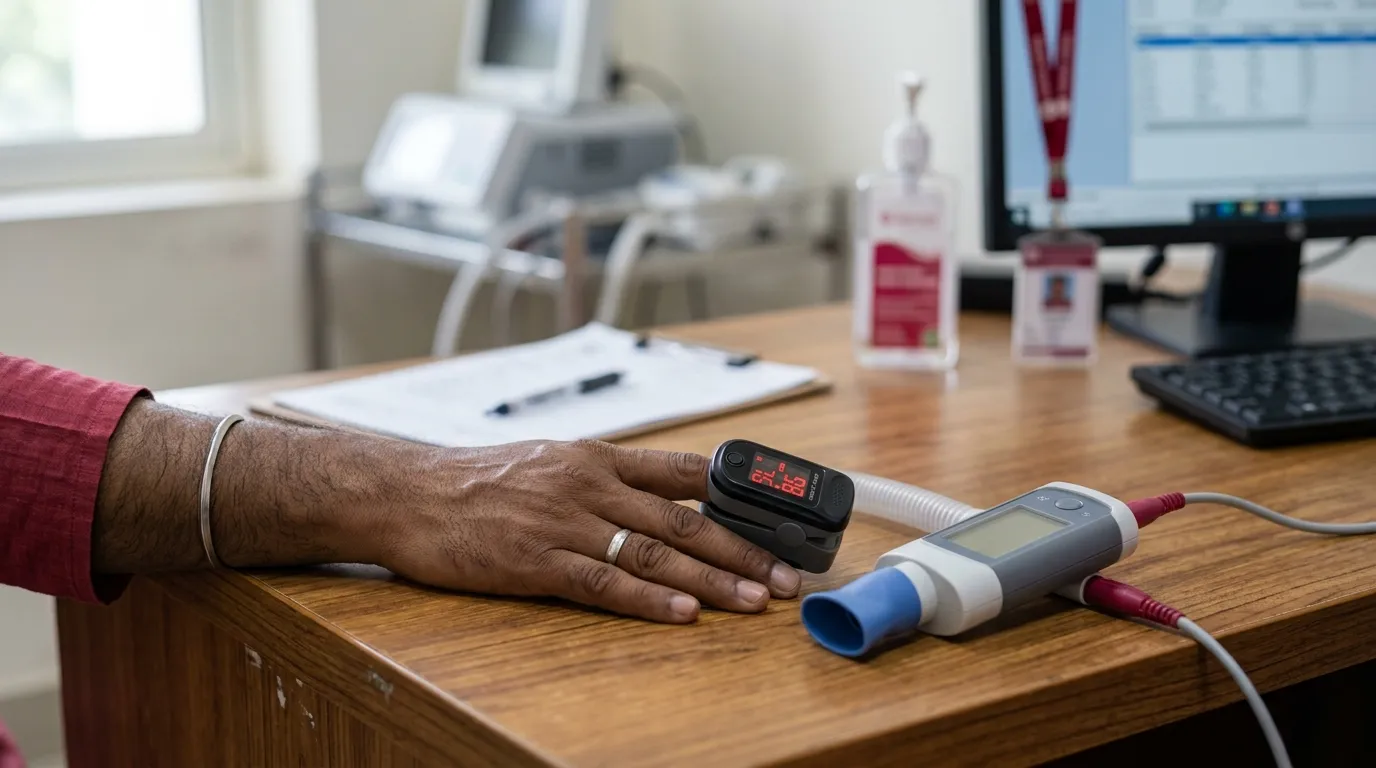
COPD
Comprehensive diagnosis and management plans for chronic bronchitis, emphysema, and lung damage.
Learn More
Sleep Apnea
Diagnostic sleep studies and CPAP therapy titration for sleep apnea and loud snoring disorders.
Learn MoreExpert Diagnosis and Advanced Respiratory Care
Schedule your pulmonary function testing or fibrosis consultation at Vaayu Chest & Pain Clinic today. Call our Pune desk or book online.