Sleep Apnea: Symptoms, Causes & Treatment in Pune
Sleep apnea is a progressive, potentially dangerous sleep-related breathing disorder characterized by repeated pauses in breathing during sleep. At Vaayu Chest & Pain Clinic in Pune, pulmonologist Dr. Harsha Jain provides diagnostic home and hospital sleep studies, CPAP titration, and customized airway therapies.
Book Free Consultation
What is Sleep Apnea?
Sleep apnea is a common, chronic sleep-related breathing disorder characterized by repetitive episodes of shallow breathing (hypopneas) or complete breathing pauses (apneas) during sleep. These pauses in breathing can last from a few seconds to over a minute, often occurring dozens of times per hour. The most common type is Obstructive Sleep Apnea (OSA), which occurs when the muscles and soft tissues in the back of the throat relax excessively, collapsing into and blocking the upper airway.
When breathing stops, blood oxygen levels drop, and carbon dioxide levels rise. This signals the brain to briefly wake you up to reopen your airway. These brief awakenings are often so quick that you do not remember them, but they disrupt your sleep cycle. This chronic fragmentation of sleep leads to severe daytime sleepiness, cognitive fatigue, and places strain on the cardiovascular system.
Under the expert care of pulmonologist Dr. Harsha Jain, our clinic offers comprehensive sleep diagnostics. We conduct overnight sleep studies (polysomnography) to measure breathing interruptions and blood oxygen levels, helping us design personalized treatments.
Symptoms & Common Causes
Sleep apnea symptoms often develop gradually and may be noticed first by a bed partner who witnesses snoring or breathing pauses during the night.
Common symptoms of sleep apnea include:
- Loud, Chronic Snoring: A primary sign, often interrupted by periods of silence and gasping.
- Witnessed Apneas: Pauses in breathing during sleep reported by a partner.
- Severe Daytime Sleepiness: Feeling exhausted during the day, even after a full night's sleep.
- Morning Headaches: Caused by low oxygen and high carbon dioxide levels during the night.
- Waking with a Dry Mouth: Often caused by breathing through the mouth during sleep.
- Cognitive Difficulties: Poor concentration, forgetfulness, and mood changes or irritability.
Identifying the risk factors and causes of sleep apnea is key to planning the right treatment. The most common risk factors include:
1. Excess Weight: Fat deposits around the upper airway can increase the risk of airway collapse.
2. Anatomy: A naturally narrow throat, a thick neck, a recessed jaw, or enlarged tonsils.
3. Age and Gender: More common in men and older adults, though it can affect anyone.
4. Substance Use: Alcohol, sedatives, or tranquilizers relax the throat muscles, worsening airway collapse.
5. Nasal Congestion: Chronic nasal congestion from allergies or structural issues increases airway resistance.
When to See a Doctor / Red Flags
While loud snoring is common, sleep apnea is a medical condition that carries significant health risks if left untreated. Recognizing warning signs is important to prevent complications.
Seek Medical Evaluation If You Experience:
- Snoring loud enough to disrupt your sleep or that of others.
- Witnessed pauses in your breathing or gasping for air during sleep.
- Falling asleep involuntarily during daytime activities, such as driving or working.
- Waking up gasping or choking in the middle of the night.
- High blood pressure that remains difficult to control with medications.
- Severe morning headaches accompanied by daytime fatigue and difficulty concentrating.
If you experience any of these symptoms, seek a diagnostic sleep study to assess the severity of your breathing interruptions.
Treatment Options at Vaayu
At Vaayu Chest & Pain Clinic, we offer advanced, personalized treatments for sleep apnea. We focus on keeping the airways open during sleep, maintaining stable blood oxygen levels, and improving your sleep quality.
Our primary treatment options include:
- CPAP Therapy: Customized setup and pressure titration for Continuous Positive Airway Pressure machines matching Sleep Medicine & Sleep Apnea.
- Overnight Sleep Studies: Diagnostic testing (polysomnography) performed at home or in the hospital to monitor breathing patterns.
- Oral Appliances: Custom dental devices that position the jaw forward to keep the airway open for patients with mild to moderate apnea.
- Multidisciplinary Care: Comprehensive support combining CPAP therapy with allergy management under Chronic Lung Disease Management.
These effective treatments help most patients eliminate snoring, restore normal breathing, and resolve daytime fatigue.
Why Choose Vaayu in Pune?
Vaayu Chest & Pain Clinic is a leading center for advanced pulmonology and respiratory medicine in Pune. Our chest department is led by Dr. Harsha Jain, a highly trained Pulmonologist (MBBS MD DNB Respiratory Medicine). Dr. Harsha has specialized expertise in managing complex sleep apnea, COPD, ILD, allergy, and intensive care respiratory support.
We focus on safety, precise diagnostics, and long-term lung health. By utilizing advanced spirometry and offering detailed patient education, we ensure patients receive the support needed to manage their breathing conditions effectively.
Frequently Asked Questions
Obstructive Sleep Apnea (OSA) is a sleep-related breathing disorder characterized by repetitive episodes of partial or complete blockage of the upper airway during sleep. This occurs when the muscles in the back of the throat relax excessively, allowing the soft tissues (like the tongue and soft palate) to collapse into the airway. This blocks airflow, causing blood oxygen levels to drop and triggering the brain to briefly wake the patient up to resume breathing, leading to severely fragmented sleep.
The most common symptoms of sleep apnea include loud, chronic snoring, witnessed episodes of breathing pauses or gasping for air during sleep, waking up with a dry mouth or sore throat, morning headaches, severe daytime sleepiness, and difficulty concentrating or irritability during the day. Often, the patient is unaware of their nighttime symptoms until reported by a bed partner.
Sleep apnea is diagnosed using an overnight sleep study, also known as polysomnography. At Vaayu Chest & Pain Clinic, we offer both in-hospital sleep studies and convenient home sleep apnea testing (HSAT). During the study, specialized sensors monitor your breathing patterns, heart rate, blood oxygen levels, brain waves, and muscle activity to determine the severity of your sleep apnea based on the Apnea-Hypopnea Index (AHI).
Untreated sleep apnea carries significant long-term health risks due to chronic low oxygen levels and constant sleep fragmentation. It is strongly linked to high blood pressure (hypertension), coronary artery disease, heart attacks, stroke, abnormal heart rhythms (such as atrial fibrillation), type 2 diabetes, and severe daytime fatigue, which increases the risk of motor vehicle or workplace accidents.
Continuous Positive Airway Pressure (CPAP) therapy is the gold standard treatment for moderate to severe obstructive sleep apnea. It involves wearing a mask over your nose or mouth during sleep, which is connected to a small machine that delivers a constant stream of pressurized air. This air pressure acts as an 'invisible splint' to keep the tissues in the back of the throat from collapsing, ensuring open airways and uninterrupted breathing throughout the night.
Yes, for patients with mild to moderate sleep apnea or those who cannot tolerate CPAP, alternative treatments are available. These include custom oral appliances (mandibular advancement devices) that hold the jaw forward to keep the airway open, positional therapy to prevent sleeping on your back, weight loss programs, and, in select cases, surgical options to remove excess tissue from the throat.
Other Lung Conditions
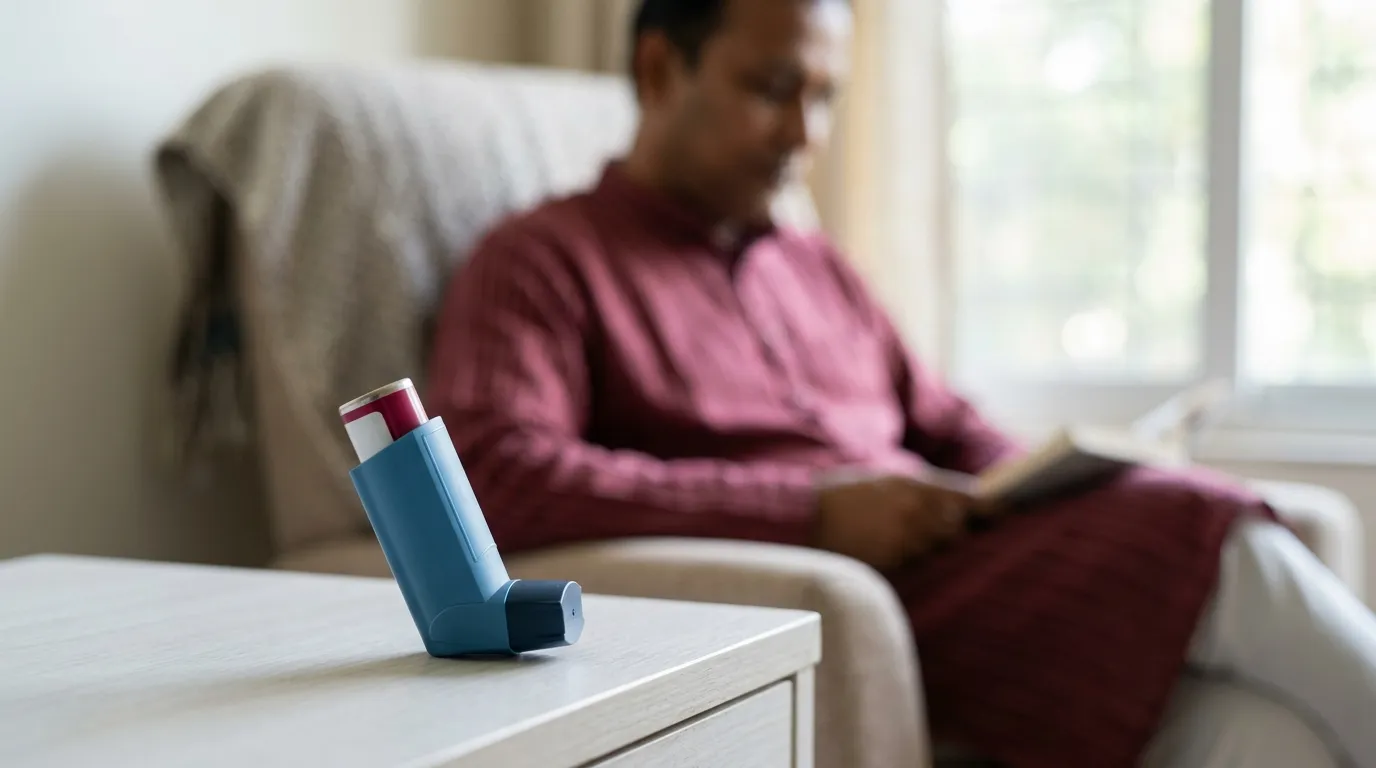
Asthma
Diagnostic lung testing, trigger assessments, and personalized action plans for asthma patients.
Learn More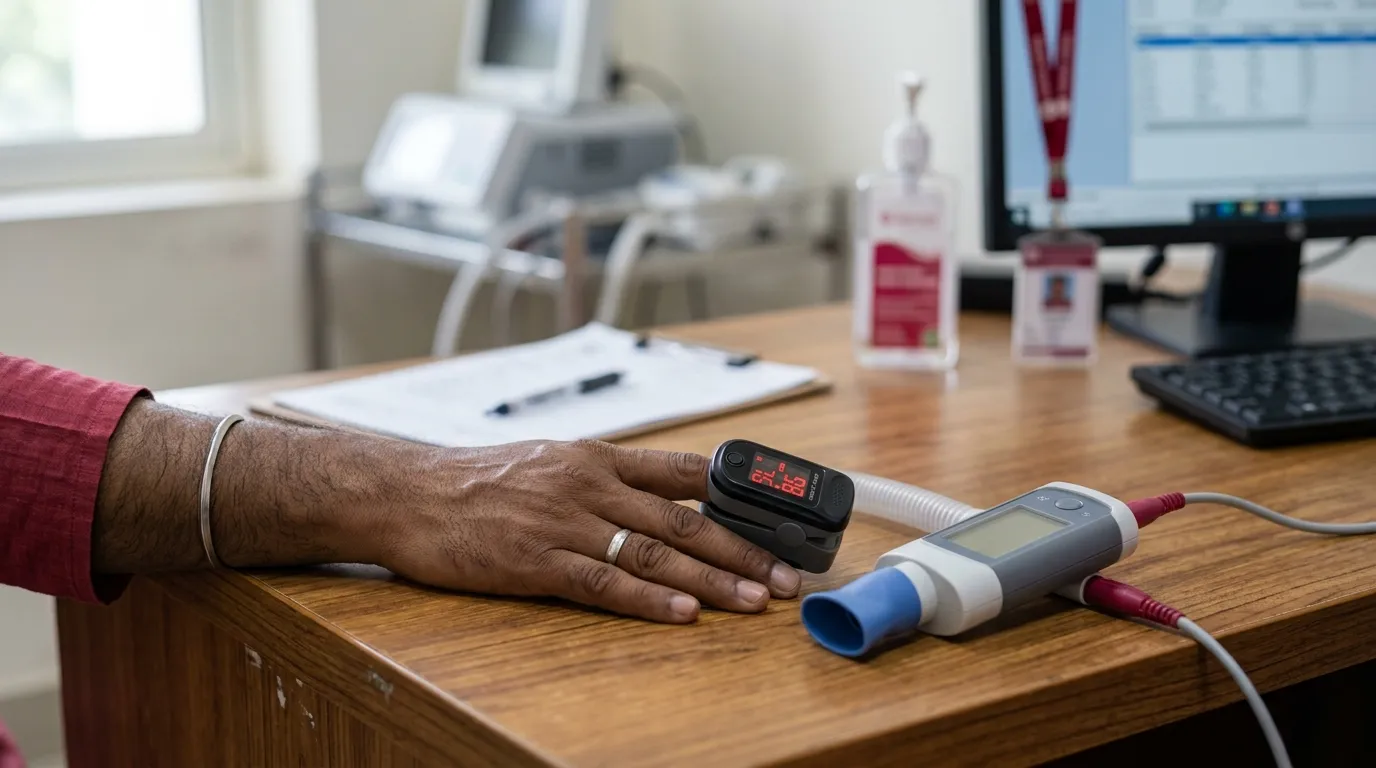
COPD
Comprehensive diagnosis and management plans for chronic bronchitis, emphysema, and lung damage.
Learn More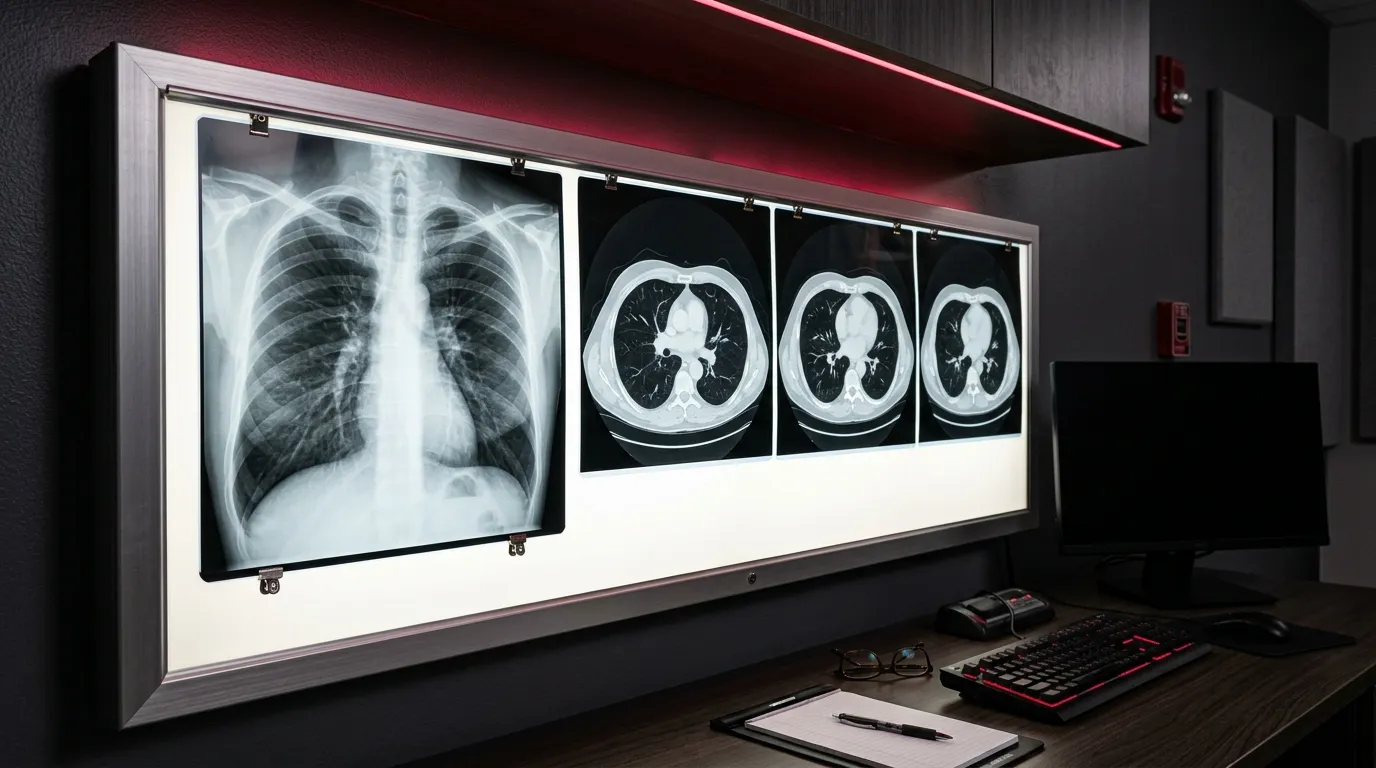
Lung Fibrosis
Diagnosis and clinical management plans to slow the progression of interstitial lung scarring.
Learn MoreExpert Diagnosis and Advanced Respiratory Care
Schedule your diagnostic sleep study or airway consultation at Vaayu Chest & Pain Clinic today. Call our Pune desk or book online.