Tuberculosis: Symptoms, Causes & Treatment in Pune
Tuberculosis (TB) is a serious bacterial infection that primarily affects the lungs, causing persistent coughing, fever, and weight loss. At Vaayu Chest & Pain Clinic in Pune, pulmonologist Dr. Harsha Jain provides advanced molecular sputum testing, chest imaging, and standardized treatment protocols.
Book Free Consultation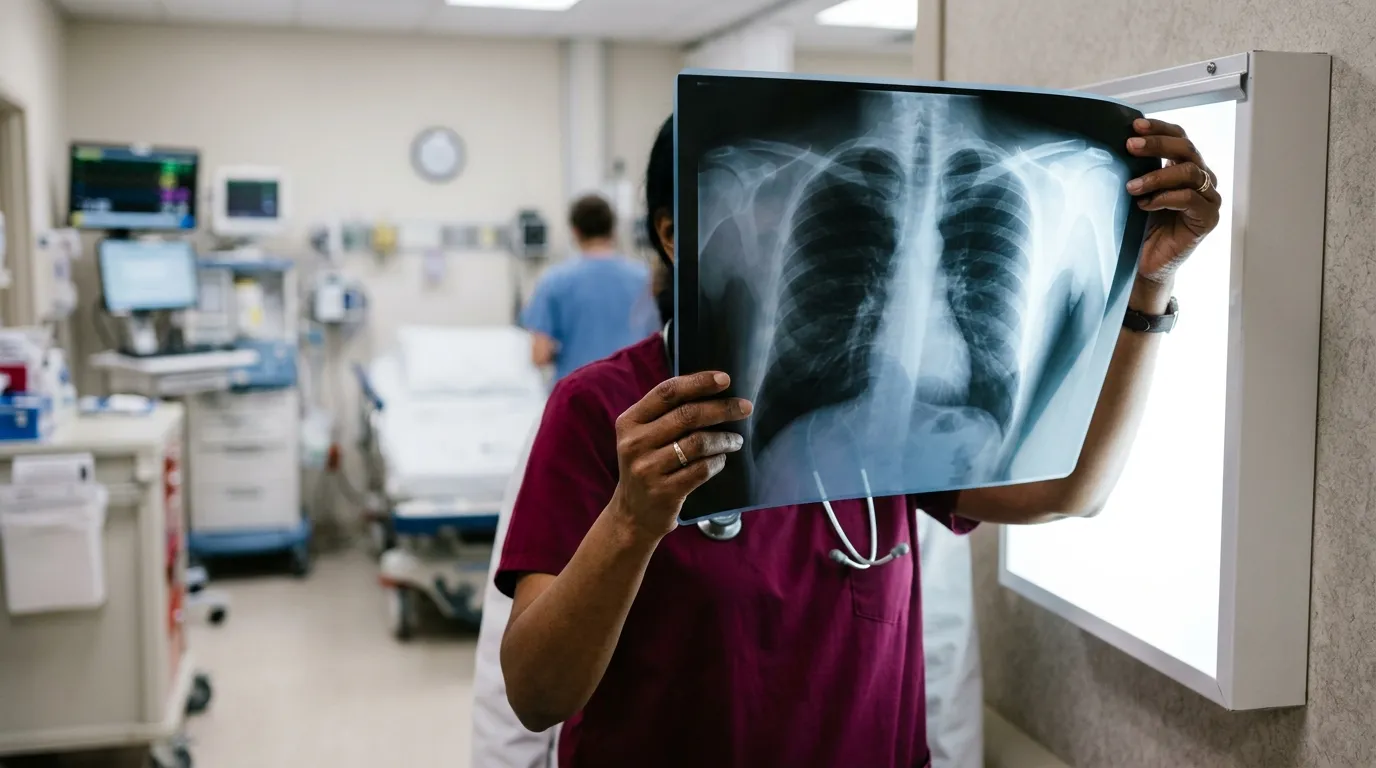
What is Tuberculosis?
Tuberculosis (TB) is a potentially serious, infectious bacterial disease caused by the bacterium Mycobacterium tuberculosis. While TB can affect any organ in the body (such as the kidneys, spine, or brain), it most commonly targets the lungs, a condition known as pulmonary tuberculosis. TB is a major global health concern, but it is highly curable and preventable with proper medical treatment.
When a person with active pulmonary TB coughs, sneezes, speaks, or sings, they release microscopic droplets containing the bacteria into the air. If another person inhales these droplets, they can become infected. In many cases, the body's immune system is able to contain the bacteria, leading to a latent TB infection (where the person has no symptoms and is not contagious). However, if the immune system weakens, the bacteria can multiply, leading to active TB disease.
Under the expert care of pulmonologist Dr. Harsha Jain, our clinic focuses on early diagnosis and complete treatment. We utilize advanced sputum testing, including molecular GeneXpert tests to detect TB DNA and drug resistance, to design precise, effective treatment plans.
Symptoms & Common Causes
Active pulmonary TB symptoms typically develop gradually over several weeks and can easily be mistaken for other respiratory conditions.
Common symptoms of active pulmonary TB include:
- Persistent Cough: A cough that lasts for three weeks or longer, often producing sputum.
- Coughing Up Blood (Hemoptysis): Sputum streaked with blood, which is a classic sign of lung tissue damage.
- Unexplained Weight Loss: Significant, unintentional weight loss accompanied by a loss of appetite.
- Night Sweats: Drenching sweats during sleep, even in cool environments.
- Persistent Low-Grade Fever: A fluctuating fever, often rising in the evening.
- Fatigue and Weakness: General tiredness and lack of energy.
TB is caused by the Mycobacterium tuberculosis bacterium. Risk factors that increase the likelihood of contracting TB or progressing from latent to active disease include:
1. Weakened Immune System: Conditions like HIV, diabetes, severe kidney disease, or undergoing chemotherapy.
2. Close Contact: Living or working with someone who has untreated active pulmonary TB.
3. Living Conditions: Crowded, poorly ventilated environments support the spread of the bacteria.
4. Malnutrition and Lifestyle: Poor nutrition, substance abuse, or lack of access to healthcare.
When to See a Doctor / Red Flags
Active TB requires prompt medical treatment to prevent lung damage and stop the spread of infection to others. Certain warning signs indicate a serious progression of the disease.
Seek Immediate Medical Care If You Experience:
- Coughing up blood or blood-streaked sputum (hemoptysis).
- Sudden, severe chest pain that worsens with breathing or coughing.
- Rapidly worsening shortness of breath or difficulty breathing.
- A high fever that does not drop with standard medications.
- Unexplained, rapid weight loss accompanied by extreme fatigue.
- Swollen, painful lymph nodes in the neck or underarms.
If you experience any of these red flags, seek urgent medical evaluation to start diagnostic testing and receive appropriate care.
Treatment Options at Vaayu
At Vaayu Chest & Pain Clinic, we offer advanced, personalized tuberculosis management plans. We focus on confirming the diagnosis, checking for drug resistance, and supporting patients through the complete course of treatment.
Our treatment options include:
- Chronic Lung Disease Management: Long-term clinical support and medication management to ensure complete cure of active or latent TB.
- Molecular Diagnostics (GeneXpert): Advanced sputum testing to detect TB and check for resistance to first-line medications like rifampicin.
- Bedside ICU Coordination: High-acuity support matching Critical Care Pulmonology for severe pulmonary complications like massive hemoptysis.
- Directly Observed Therapy (DOTS) Support: Structured guidance to help patients complete their medication course safely.
Completing the full course of treatment under specialist supervision is critical to achieving a cure and preventing drug resistance.
Why Choose Vaayu in Pune?
Vaayu Chest & Pain Clinic is a leading center for advanced pulmonology and respiratory medicine in Pune. Our chest department is led by Dr. Harsha Jain, a highly trained Pulmonologist (MBBS MD DNB Respiratory Medicine). Dr. Harsha has specialized expertise in managing drug-susceptible and drug-resistant tuberculosis (MDR-TB), ILD, and critical care pulmonology.
We focus on safety, precise diagnostics, and complete cure. By utilizing advanced molecular testing and offering detailed patient support, we help patients navigate the treatment process successfully and restore their lung health.
Frequently Asked Questions
Tuberculosis (TB) is a serious, infectious disease caused by the bacterium Mycobacterium tuberculosis. It primarily affects the lungs (pulmonary TB) but can spread to other organs. TB spreads through the air from one person to another when an individual with active pulmonary TB coughs, sneezes, speaks, or sings, releasing microscopic droplets containing the bacteria into the air. People nearby who inhale these droplets can become infected.
In latent TB infection, the bacteria remain in the body in an inactive state, kept under control by the immune system. People with latent TB have no symptoms, do not feel sick, and cannot spread the bacteria to others. In active TB disease, the bacteria multiply and cause active illness because the immune system cannot contain them. People with active TB experience symptoms (like a persistent cough, fever, and weight loss) and can spread the disease to others.
At Vaayu Chest & Pain Clinic, we diagnose active pulmonary TB using sputum tests (such as microscopy, bacterial cultures, and molecular tests like GeneXpert to detect TB DNA and drug resistance), chest X-rays, and HRCT scans to identify characteristic lung lesions. In some complex cases, Dr. Harsha performs a bronchoscopy to obtain clean diagnostic fluid samples directly from the lungs.
Warning signs of severe TB or complications include: coughing up blood (hemoptysis), sudden and severe chest pain, worsening shortness of breath, high fever that does not drop with standard medications, rapid and unexplained weight loss, or swelling in the neck glands.
Active drug-susceptible TB is treated with a standard six-month regimen of multiple antitubercular medications. The initial phase lasts two months and involves four medications (isoniazid, rifampin, ethambutol, and pyrazinamide). The continuation phase lasts four months and involves two medications (isoniazid and rifampin). Completing the full course of treatment exactly as prescribed is critical to cure the infection and prevent the bacteria from developing drug resistance.
Multi-Drug Resistant TB (MDR-TB) is a form of TB caused by bacteria that are resistant to at least isoniazid and rifampin, the two most powerful first-line TB medications. Managing MDR-TB requires a longer course of treatment (typically 9 to 20 months) using second-line medications, which can have more side effects. MDR-TB treatment must be closely supervised by a pulmonologist to ensure safety and effectiveness.
Other Lung Conditions
Asthma
Diagnostic lung testing, trigger assessments, and personalized action plans for asthma patients.
Learn More
COPD
Comprehensive diagnosis and management plans for chronic bronchitis, emphysema, and lung damage.
Learn More
Lung Fibrosis
Diagnosis and clinical management plans to slow the progression of interstitial lung scarring.
Learn MoreExpert Diagnosis and Standardized Antitubercular Care
Schedule your diagnostic testing or active TB consultation at Vaayu Chest & Pain Clinic today. Call our Pune desk or book online.