Cancer Pain Management in Shivajinagar, Pune
Located inside Spectrum Business Spaces in Shivajinagar, Pune, Vaayu Chest & Pain Clinic provides dedicated, image-guided cancer pain therapies. Dr. Parag Vijay Munot targets pain pathways at their source using neurolytic blocks and targeted nerve releases, serving patients across Deccan, Model Colony, and central Pune.
Book Free Consultation
What is Cancer Pain Management?
Cancer pain management is a highly specialized clinical field that focuses on reducing the complex, multi-dimensional physical suffering associated with oncological diseases. Pain is one of the most common and feared symptoms of cancer. It can arise from tumor growth directly compressing organs, nerves, or bones (nociceptive and neuropathic pain), or from treatment side effects such as surgery, chemotherapy, and radiation.
Rather than relying solely on oral medications, modern cancer pain management uses a multimodal interventional approach. Led by Dr. Parag Vijay Munot, our clinic combines advanced pharmacological titration—following the World Health Organization (WHO) Analgesic Ladder—with targeted interventional procedures. These interventions include celiac plexus blocks for abdominal cancers, superior hypogastric blocks for pelvic malignancies, and chemical neurolysis to deliberately block pain pathways.
By interrupting pain signals at their source, these daycare procedures provide significant relief, allowing patients to reduce their dependency on high-dose medications. This reduction helps minimize side effects like severe drowsiness, nausea, and mental cloudiness. Managing pain effectively helps patients tolerate their cancer treatments better, maintain nutritional intake, and spend meaningful time with their families.
Who Needs This / Indications for Care
Specialized cancer pain therapy is indicated for patients at any stage of oncological treatment who experience persistent pain that affects their daily comfort and ability to undergo treatment. Early pain management is essential for preserving quality of life.
Key clinical indications for specialized interventional care include:
- Advanced Abdominal Malignancies: Severe, deep pain from pancreatic, gastric, or hepatic cancers, which can be managed with a celiac plexus block.
- Pelvic & Gynecological Cancers: Pain from cervical, uterine, or bladder cancers, which can be targeted with a superior hypogastric plexus block.
- Bone Metastases: Severe skeletal pain caused by tumor spread, causing secondary back pain, managed with nerve blocks or RFA.
- Chemotherapy-Induced Peripheral Neuropathy (CIPN): Burning pain and numbness in the hands or feet caused by chemotherapy agents.
- Post-Surgical Thoracotomy Pain: Persistent, severe chest wall pain following thoracic cancer surgeries.
- Generalized Cancer Distress: Complex pain profiles that require a combination of nerve blocks and medication management, addressing secondary myofascial pain.
If your current pain medication regimen is causing severe side effects or failing to provide adequate relief, Dr. Parag will evaluate you to determine the most effective interventional pathway.
The Care Plan: What to Expect
Initial Clinical Mapping
We perform a comprehensive evaluation of your pain profile, medical history, and oncology treatment cycles. Dr. Parag assesses your pain using standardized clinical scales and reviews recent CT or MRI scans to map the exact nerve pathways involved.
Targeted Interventional Blocks
Under live fluoroscopic or ultrasound guidance, Dr. Parag performs precise nerve blocks or neurolysis. By injecting a local anesthetic and anti-inflammatory or neurolytic agent directly next to the target nerve plexus, we block pain transmission. The daycare procedure takes about 30 minutes.
Multimodal Titration & Monitoring
Following the procedure, we monitor your pain levels and adjust your oral medications to prevent sudden flare-ups. Our team collaborates with your primary oncologist to ensure your pain management plan is aligned with your active cancer treatments.
Why Choose Vaayu in Shivajinagar, Pune?
Vaayu Chest & Pain Clinic, located inside Spectrum Business Spaces in Shivajinagar, Pune, is a leading center for advanced, interventional pain management. Our dedicated pain services are led by Dr. Parag Vijay Munot, a highly respected Pain Physician and Anesthesiologist (MBBS MD FICP). Dr. Parag specializes in providing advanced, image-guided blocks and neurolytic therapies for patients with complex, severe cancer pain.
We prioritize patient comfort, safety, and rapid relief. By utilizing state-of-the-art C-arm fluoroscopy and high-resolution ultrasound, we ensure all injections are performed with high accuracy. We offer prompt scheduling to minimize wait times for patients in discomfort, and coordinate directly with oncology teams across Pune to provide supportive, comprehensive care.
Frequently Asked Questions
Cancer pain management is a highly specialized clinical pathway that addresses both nociceptive pain (caused by tumor growth compressing organs or bones) and neuropathic pain (caused by nerve injury from the tumor, surgery, chemotherapy, or radiation). Unlike general chronic pain management, which focuses primarily on non-surgical structural rehabilitation, cancer pain therapy utilizes a aggressive multimodal framework. This includes rapid pharmacological titration according to the WHO Analgesic Ladder, combined with advanced interventional techniques like neurolytic nerve blocks, which deliberately block pain transmission pathways to provide significant relief.
Neurolysis is an interventional pain procedure where specific nerves responsible for carrying pain signals from a cancerous region are intentionally interrupted. This is achieved by injecting a neurolytic agent (such as medical-grade alcohol or phenol) or using thermal energy to create a heat lesion that interrupts the nerve's ability to transmit pain signals to the brain for several months or years. It is typically recommended for patients with advanced abdominal or pelvic cancers (e.g., pancreatic or cervical cancer) who experience severe pain that is not fully controlled by oral medications, or who suffer from severe side effects like nausea or drowsiness from high-dose pain relievers.
Yes, interventional pain procedures are highly safe and are designed to complement ongoing oncological treatments like chemotherapy, immunotherapy, or radiation therapy. By reducing systemic pain levels, these procedures help patients tolerate their primary treatments better, improve sleep quality, and maintain nutritional intake. Dr. Parag carefully reviews each patient's blood counts, particularly platelet levels and coagulation profiles, to schedule these procedures at the safest times during your oncology cycles.
While interventional nerve blocks and neurolysis frequently lead to a significant reduction in pain, the primary goal is often to lower the dosage of oral medications rather than eliminate them entirely. Reducing the medication load helps minimize side effects like severe constipation, mental cloudiness, nausea, and respiratory depression. This improves the patient's daily cognitive function and quality of life. In some cases of localized abdominal pain, procedures like a celiac plexus block can provide complete relief, eliminating the need for strong systemic medications.
Celiac plexus and superior hypogastric blocks are highly safe when performed by an experienced pain specialist using live fluoroscopic or CT guidance. Minor, temporary side effects include localized soreness at the injection site, a transient drop in blood sugar or blood pressure, and mild diarrhea for 24 to 48 hours as the sympathetic nerves relax. Serious complications such as nerve injury, bleeding, or infection are extremely rare, thanks to real-time imaging confirmation and strict sterile protocols.
The onset of pain relief is typically rapid. When local anesthetics are used during a nerve block, patients often feel significant relief within 15 to 30 minutes of the injection. For permanent neurolytic procedures (such as alcohol neurolysis), the local anesthetic provides immediate relief, followed by a gradual transition to sustained pain control over 24 to 72 hours as the neurolytic agent takes effect. Our clinical team closely monitors your progress post-procedure to optimize your recovery.
Related Pain Services
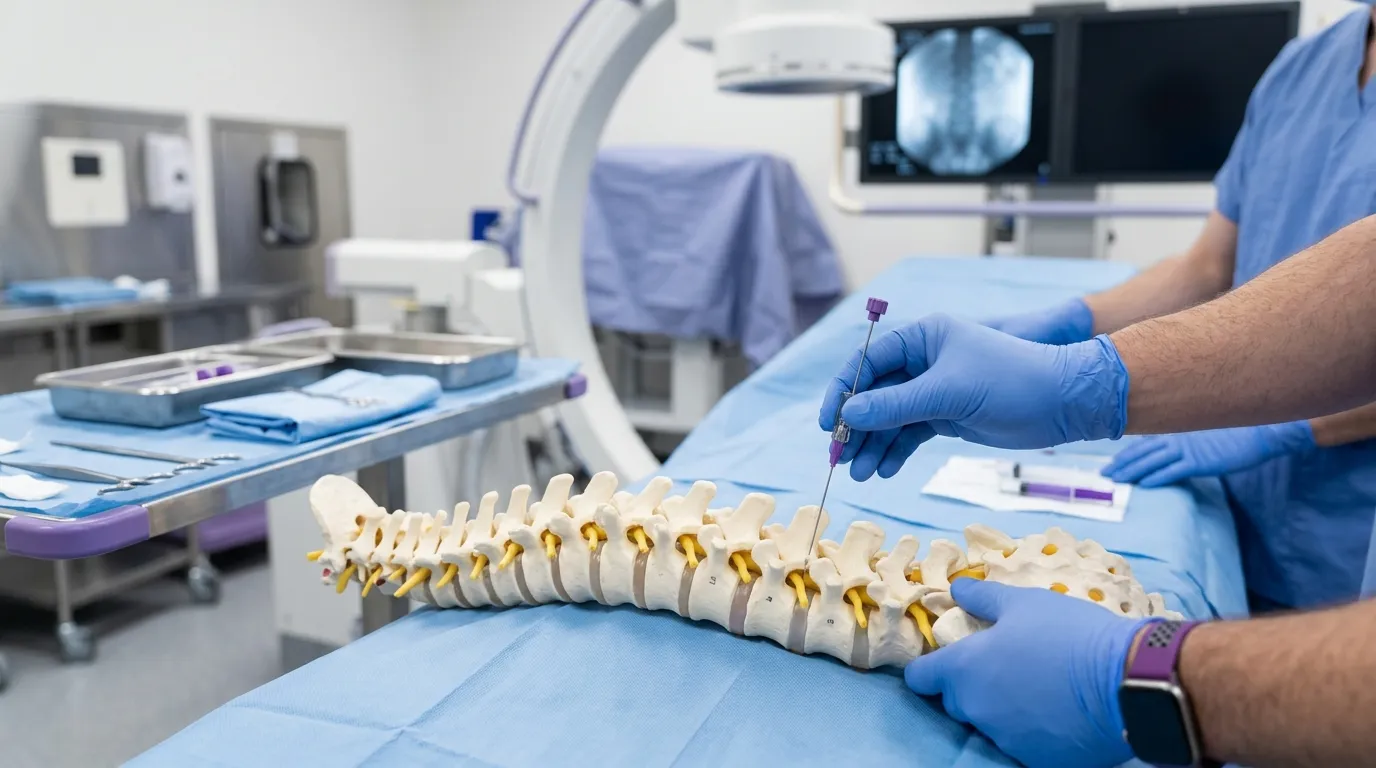
Epidural & Spinal Injections
Non-surgical day-care procedures providing direct relief for sciatica, disc herniations, and spinal stenosis.
Learn More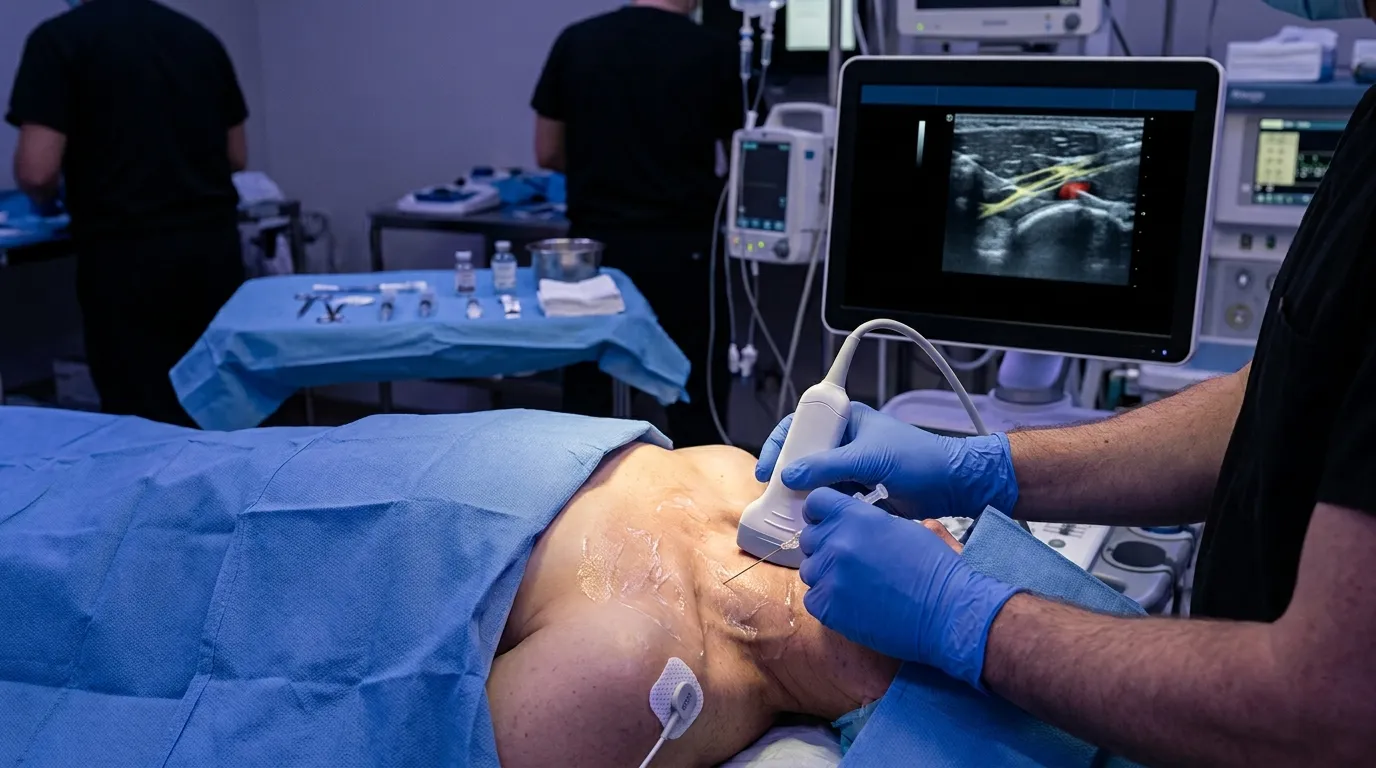
Nerve Blocks & RFA
Precision diagnostic injections and radiofrequency thermal therapy for chronic spinal facet and joint pain.
Learn More
Critical Care Pain Procedures
Rapid-onset blocks and clinical interventions for postoperative trauma and acute hospital pain management.
Learn More
Anaesthesia & Peri-operative
Pre-operative planning and regional blocks to ensure patient safety and minimize postoperative discomfort.
Learn MoreAlso serving Pune Region
We offer the exact same advanced cancer pain therapies directly at our main Pune clinic.
View Location VariantExpert Cancer Pain Control and Supportive Care
Schedule your clinical assessment or interventional nerve block consultation at Vaayu Chest & Pain Clinic today. Call our Shivajinagar line or book online.