CRPS: Symptoms, Causes & Treatment in Pune
Complex Regional Pain Syndrome (CRPS) is a chronic, progressive neuropathic pain condition that develops after limb trauma or surgery. At Vaayu Chest & Pain Clinic in Pune, Dr. Parag Vijay Munot provides expert sympathetic blocks, advanced neuro-modulating therapies, and aggressive physical rehabilitation.
Book Free Consultation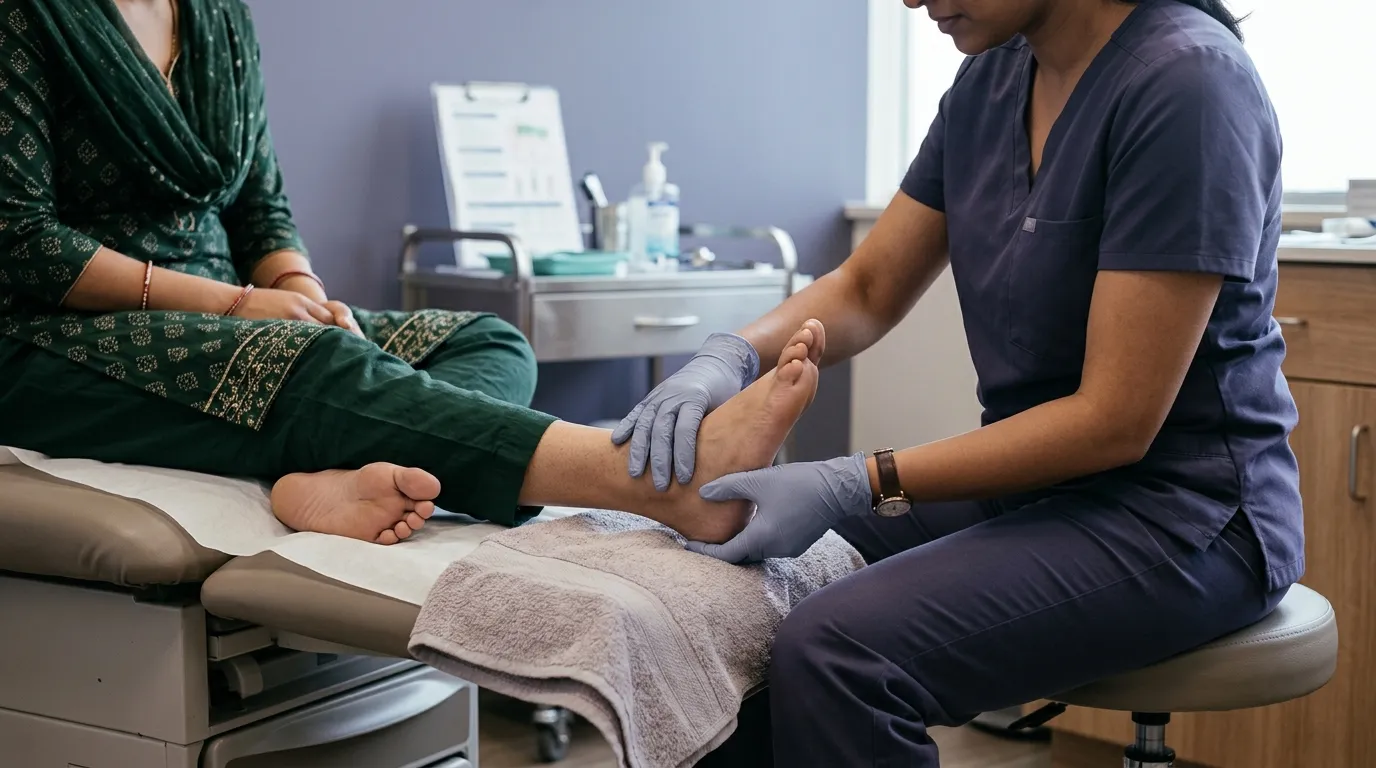
What is Complex Regional Pain Syndrome?
Complex Regional Pain Syndrome (CRPS) is a chronic, debilitating pain condition that typically affects a single limb (an arm, leg, hand, or foot). It usually develops after an injury, surgery, stroke, or heart attack. CRPS is characterized by severe, continuous, burning or throbbing pain that is disproportionate to the severity of the initial physical trauma.
The exact cause of CRPS is not fully understood, but it is believed to involve an abnormal, overactive inflammatory response and dysfunction in the central and peripheral nervous systems. In patients with CRPS, the nervous system continues to send intense pain signals to the brain long after the initial tissue damage has healed. The condition also leads to changes in local blood flow, causing abnormal temperature, swelling, and sweating in the affected limb.
Because CRPS can lead to permanent changes in the nervous system and muscle atrophy in the affected limb, early diagnosis and aggressive, multimodal treatment within the first three to six months are critical. Under the expert care of Dr. Parag Vijay Munot, our clinic provides specialized sympathetic nerve blocks and coordinates active physical therapy to help restore normal limb function.
Symptoms & Common Causes
CRPS symptoms can change over time and often vary from patient to patient, but they typically involve intense pain and visible changes in the affected limb.
Common symptoms of CRPS include:
- Continuous Burning Pain: A severe, burning, or throbbing pain that feels deep within the limb.
- Extreme Sensitivity to Touch (Allodynia): Severe pain triggered by light touch or temperature changes that would normally not be painful.
- Changes in Skin Temperature: The affected limb may feel significantly warmer or colder than the opposite limb.
- Changes in Skin Color and Texture: Skin may appear blotchy, red, purple, pale, or shiny and thin.
- Abnormal Sweating and Swelling: Localized swelling and excessive or absent sweating in the affected area.
- Muscle Weakness and Stiffness: Decreased ability to move the limb, often accompanied by tremors or muscle spasms.
CRPS is classified into two types based on the presence of confirmed nerve damage:
1. CRPS Type 1 (formerly RSD): Occurs after an injury or illness (such as a sprain or fracture) that did not directly damage a major nerve in the limb.
2. CRPS Type 2 (formerly Causalgia): Develops after a distinct, confirmed injury to a major nerve.
3. Nerve Dysfunction: Abnormal signaling in the sympathetic nervous system, which controls blood flow and sweating.
When to See a Doctor / Red Flags
CRPS is a progressive condition that requires early diagnosis and treatment to prevent long-term complications. Recognizing warning signs is important to prevent permanent disability.
Seek Immediate Medical Care If You Experience:
- Severe, continuous pain in a limb that persists long after an injury has healed.
- Visible muscle wasting (atrophy) or weakness in the affected arm or leg.
- Severe stiffness in the joints of the affected limb, leading to contractures (inability to move the joint).
- Skin changes such as thinning, extreme coldness, or ulceration due to poor blood flow.
- Spread of the severe burning pain beyond the initial injury site.
If you experience any of these symptoms, seek an evaluation by a pain specialist as soon as possible to start appropriate management.
Treatment Options at Vaayu
At Vaayu Chest & Pain Clinic, we offer advanced, multimodal treatment plans for CRPS. We focus on blocking abnormal pain signaling, reducing inflammation, and supporting physical rehabilitation.
Our primary treatment options include:
- Sympathetic Nerve Blocks: Stellate ganglion blocks (for the arm) or lumbar sympathetic blocks (for the leg) performed under live fluoroscopic guidance matching Nerve Blocks & RFA.
- Multimodal Medication Management: Using specialized neuropathic medications and anti-inflammatories to reduce nerve sensitivity.
- Aggressive Pain Management: High-acuity blocks and catheter placements matching Critical Care Pain Procedures to manage acute pain flare-ups.
- Desensitization and Physical Therapy: Coordinating with physical therapists to desensitize the skin and restore normal joint movement.
Reducing pain first using interventional blocks is key to enabling patients to participate comfortably in physical rehabilitation.
Why Choose Vaayu in Pune?
Vaayu Chest & Pain Clinic is a leading center for advanced, interventional pain management in Pune. Our dedicated pain services are led by Dr. Parag Vijay Munot, a highly respected Pain Physician and Anesthesiologist (MBBS MD FICP). Dr. Parag has specialized training and extensive experience in managing complex neuropathic conditions like CRPS.
We prioritize early intervention, precise diagnostics, and comprehensive patient care. By using advanced image-guided techniques, we ensure all nerve blocks are performed safely and accurately, helping you rebuild strength and mobility in the affected limb.
Frequently Asked Questions
Complex Regional Pain Syndrome (CRPS) is a chronic pain condition that most commonly affects a single limb (arm, leg, hand, or foot), usually developing after an injury, surgery, stroke, or heart attack. It is characterized by severe, continuous pain that is disproportionate to the severity of the initial injury, accompanied by localized changes in skin temperature, color, swelling, and abnormal sweating.
CRPS is classified into two types based on the presence of confirmed nerve damage. CRPS Type 1 (formerly known as Reflex Sympathetic Dystrophy or RSD) occurs after an illness or injury that did not directly damage a major nerve in the affected limb. CRPS Type 2 (formerly known as Causalgia) develops after a distinct, confirmed injury to a major nerve. Both types present with similar symptoms of severe, burning neuropathic pain.
CRPS should be evaluated by a pain specialist as soon as it is suspected. Early diagnosis and aggressive, multimodal treatment within the first three to six months are critical to preventing permanent changes in the central nervous system, muscle atrophy, and joint contractures in the affected limb.
Red flags that indicate progressive neurological involvement or complications include: rapidly spreading pain beyond the initial injury site, visible muscle wasting (atrophy) in the affected limb, severe joint stiffness leading to contractures (frozen joints), or skin changes such as thinning, extreme coldness, or ulceration due to poor blood flow.
Sympathetic nerve blocks (such as stellate ganglion blocks for the arm/hand or lumbar sympathetic blocks for the leg/foot) involve injecting local anesthetics around the sympathetic nerves under live fluoroscopic guidance. This blocks abnormal sympathetic nervous system signals, reducing burning pain, improving blood circulation to the limb, and creating a window of relief during which patients can participate in active physical therapy.
Physical therapy is the cornerstone of CRPS recovery, focusing on gentle mobilization, desensitization techniques, and restoring normal limb function. It prevents muscle wasting and joint stiffness. Because CRPS pain makes movement difficult, we perform interventional blocks first to reduce the pain, allowing patients to participate comfortably in physical rehabilitation.
Other Pain Conditions
Back Pain
Non-surgical interventional treatments for sciatica, disc herniations, and spinal stenosis.
Learn More
Shoulder Pain
Comprehensive diagnosis and targeted therapies for frozen shoulder, rotator cuff tears, and impingement.
Learn More
Sports Injury
Non-surgical joint preservation, ligament sprain therapies, and post-injury rehabilitation.
Learn MoreExpert Diagnosis and Advanced Neuropathic Pain Care
Schedule your clinical assessment or interventional pain consult at Vaayu Chest & Pain Clinic today. Call our Pune desk or book online.