Sports Injury: Symptoms, Causes & Treatment in Pune
Sports injuries can cause acute joint trauma or chronic overuse pain in ligaments and tendons. At Vaayu Chest & Pain Clinic in Pune, Dr. Parag Vijay Munot provides advanced, non-surgical joint preservation assessments and targeted blocks to support a safe return to activity.
Book Free Consultation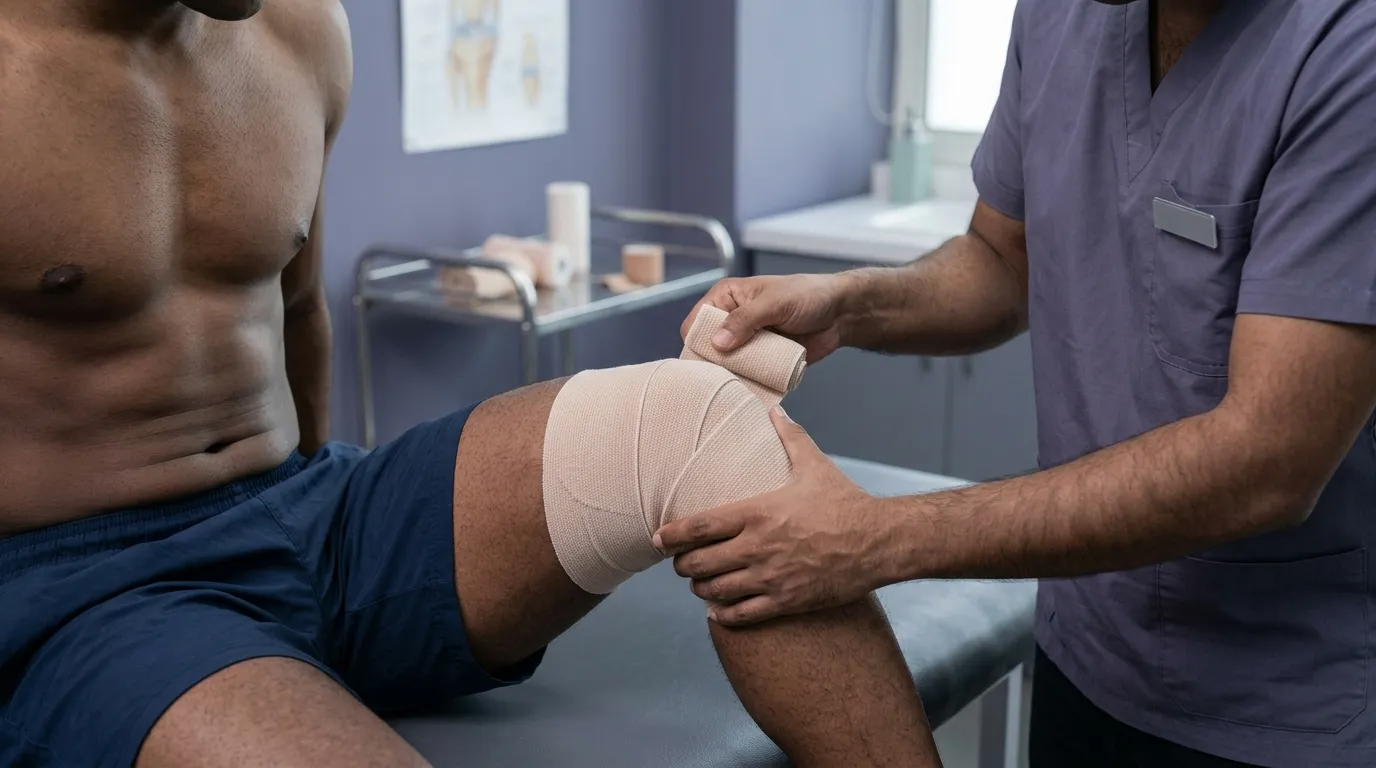
What is a Sports Injury?
A sports injury is a type of physical damage that occurs during exercise, athletic training, or sports activities. These injuries are broadly classified into two categories: acute traumatic injuries (resulting from a sudden impact, twist, or fall, such as a ligament tear or joint dislocation) and chronic overuse injuries (developing gradually over time from repetitive stress on tendons, muscles, or joints).
The musculoskeletal system consists of bones, joints, ligaments, tendons, and muscles that work together to allow movement. During athletic activities, these structures can be subjected to forces that exceed their strength, leading to strains, sprains, or tears. If not properly diagnosed and treated, even minor sports injuries can lead to chronic joint instability or early-onset osteoarthritis.
Led by Dr. Parag Vijay Munot, our sports injury services focus on non-surgical joint preservation. We perform detailed biomechanical evaluations and use advanced imaging to identify the specific structures involved. This helps us design targeted, non-surgical treatment plans to help you return to your activities safely.
Symptoms & Common Causes
Sports injury symptoms vary depending on whether the injury is acute or caused by chronic overuse, ranging from sudden, severe pain to a gradual ache.
Common symptoms of sports injuries include:
- Sudden, Sharp Pain: Felt immediately at the moment of injury, often accompanied by a popping sound.
- Swelling and Bruising: Visible swelling and discoloration around the injured joint or muscle.
- Joint Instability: A feeling that the joint is unstable or 'gives way' when bearing weight.
- Limited Range of Motion: Inability to move the joint through its normal range of movement.
- Tenderness and Warmth: Localized pain when touching the area, often accompanied by warmth.
Identifying the cause of a sports injury is key to planning the right treatment. The most common causes include:
1. Direct Impact: Falls or collisions during contact sports, leading to bone contusions or joint dislocations.
2. Sudden Twisting: Rapid changes in direction, placing excessive stress on ligaments (such as ACL or ankle sprains).
3. Repetitive Strain (Overuse): Continuous, repetitive movements that cause tendon micro-tears (such as tennis elbow or runner's knee).
4. Improper Training Techniques: Poor biomechanics, inadequate warm-ups, or using unsuitable footwear.
5. Overtraining: Increasing training volume or intensity too quickly without allowing adequate time for muscle recovery.
When to See a Doctor / Red Flags
While minor muscle soreness often resolves with rest, certain warning signs indicate a serious sports injury that requires prompt medical evaluation to prevent permanent joint damage.
Seek Immediate Medical Care If You Experience:
- An inability to bear any weight on the injured limb or walk even a few steps.
- Immediate, severe swelling or a visible deformity in the bone or joint.
- A locked joint where you cannot bend or straighten the limb.
- Numbness, tingling, or coldness in the limb below the site of the injury.
- Severe, unrelenting pain that does not improve with rest or pain medication.
- Joint instability where the joint feels loose or shifts out of place.
If you experience any of these red flags, seek a medical evaluation to rule out serious fractures, complete ligament tears, or nerve compression.
Treatment Options at Vaayu
At Vaayu Chest & Pain Clinic, we specialize in providing advanced, non-surgical interventional treatments for sports injuries. Our goal is to reduce pain and inflammation, support joint preservation, and help you return to active training safely.
Our primary treatment options include:
- Image-Guided Injections: Precise injections of anti-inflammatory medications directly into the injured tendon sheath or joint under live ultrasound guidance matching Nerve Blocks & RFA.
- Acute Post-Trauma Blocks: Regional blocks matching Critical Care Pain Procedures to manage acute pain and support early movement after severe sports injuries.
- Trigger Point Injections: Targeted injections to release painful muscle spasms related to athletic training.
- Structured Rehabilitation Coordination: Working closely with physical therapists to restore strength, stability, and proper movement patterns.
These non-surgical treatments help many athletes recover effectively and return to their sports safely.
Why Choose Vaayu in Pune?
Vaayu Chest & Pain Clinic is a leading center for advanced, interventional pain management in Pune. Our dedicated pain services are led by Dr. Parag Vijay Munot, a highly respected Pain Physician and Anesthesiologist (MBBS MD FICP). Dr. Parag specializes in providing advanced, image-guided blocks and non-surgical treatments for complex sports injuries.
We prioritize patient safety, precise diagnosis, and long-term relief. By using advanced fluoroscopic and ultrasound imaging, we ensure all injections are performed with high accuracy. We offer personalized, compassionate care and coordinate directly with physical therapists to support your complete recovery.
Frequently Asked Questions
Sports injuries are broadly classified into acute trauma and overuse injuries. Common acute injuries include ligament tears (such as ACL or ankle sprains), meniscus tears, and muscle strains. Overuse injuries develop gradually from repetitive stress and include conditions like patellar tendonitis (jumper's knee), rotator cuff tendonitis, tennis elbow, and plantar fasciitis. Both types require careful clinical evaluation to prevent chronic joint instability.
Interventional pain management focuses on non-surgical treatments to reduce localized pain and inflammation. By utilizing ultrasound-guided injections (such as corticosteroids or nerve blocks), we can deliver targeted relief directly to the injured tendon, ligament, or joint. Reducing pain and inflammation early allows patients to participate in active physical rehabilitation, which is essential for rebuilding strength and joint stability.
A sports injury should be evaluated by a specialist if you experience persistent pain lasting more than two to three weeks despite rest, if you feel joint instability or 'giving way', or if you experience a locked joint. An early, accurate diagnosis is key to preventing long-term damage or chronic joint stiffness.
Red flags indicating a serious sports injury include: an inability to bear weight on the injured limb, immediate and severe joint swelling, a visible deformity in the bone or joint, a complete loss of joint motion (locked joint), or numbness and tingling below the site of injury (suggesting nerve compression or vascular compromise).
Yes, ultrasound-guided injections are safe and highly effective. Using real-time ultrasound imaging allows the physician to guide the needle precisely to the target tissue, avoiding surrounding blood vessels and nerves. This high level of precision maximizes the effectiveness of the treatment and minimizes potential risks.
Structured physical therapy focuses on correcting muscle imbalances, strengthening the core and stabilizing muscles, and improving joint flexibility and balance. By addressing the root biomechanical issues that led to the injury, physical rehabilitation helps athletes rebuild strength safely and reduces the risk of future injuries.
Other Pain Conditions
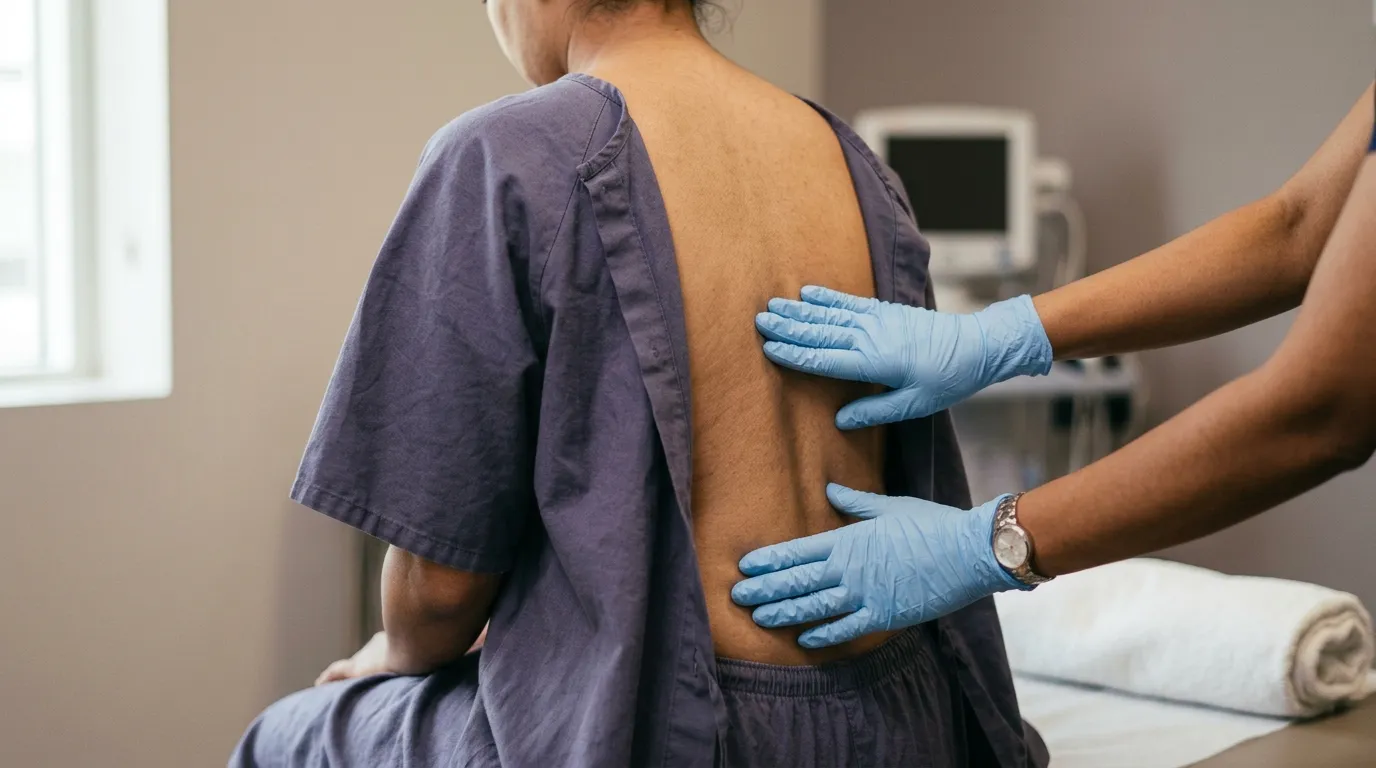
Back Pain
Non-surgical interventional treatments for sciatica, disc herniations, and spinal stenosis.
Learn More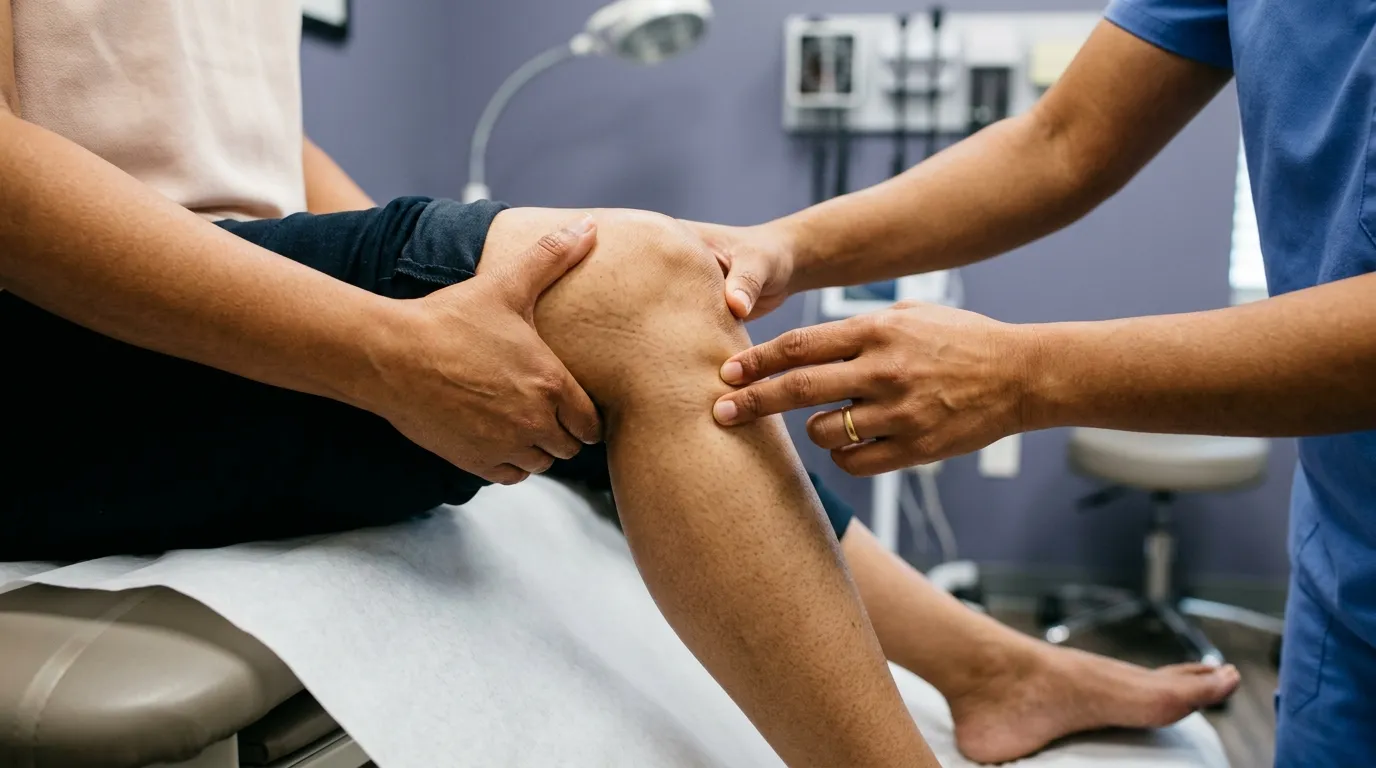
Knee Pain
Advanced joint injections and non-surgical therapies for osteoarthritis and sports injuries.
Learn More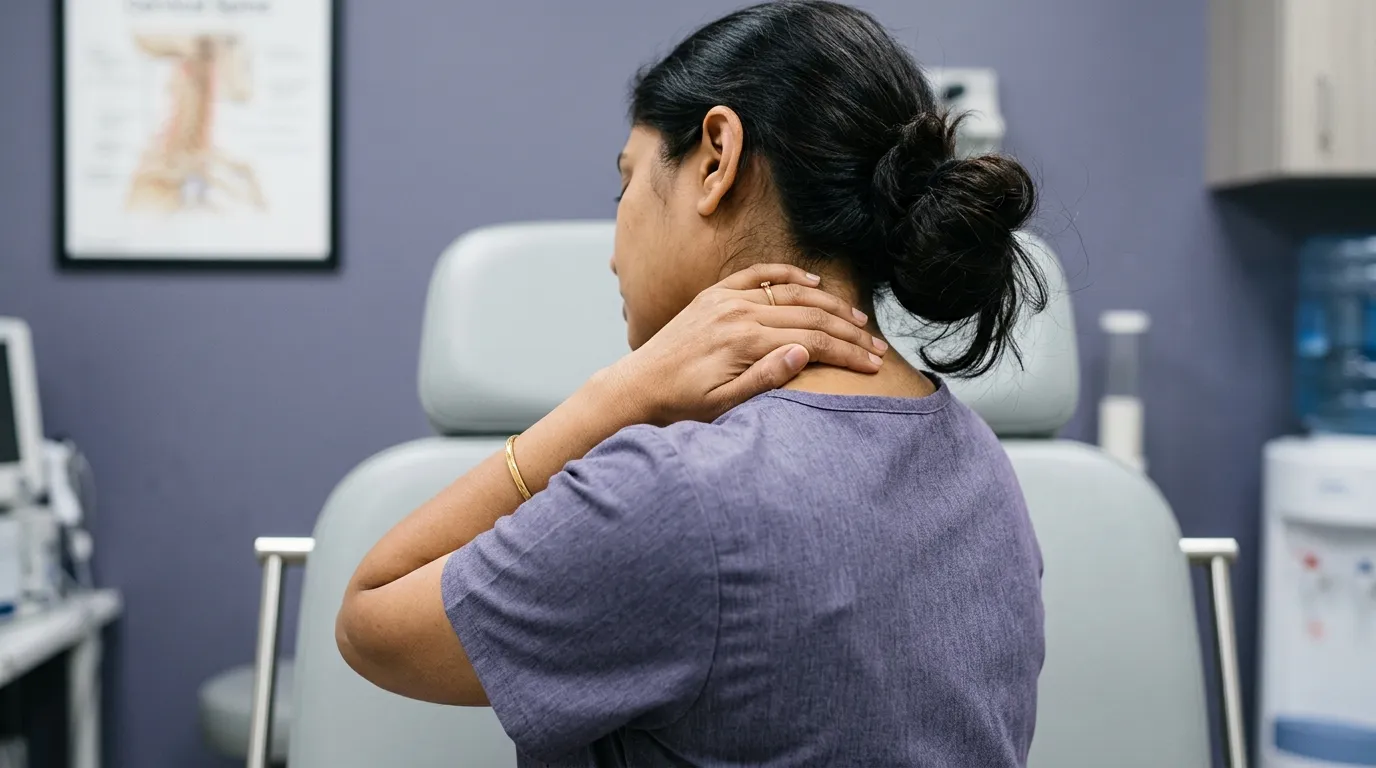
Neck Pain
Comprehensive diagnosis and targeted therapies for cervical disc disease, muscle spasms, and stiffness.
Learn MoreExpert Diagnosis and Non-Surgical Joint Preservation
Schedule your clinical assessment or interventional sports consult at Vaayu Chest & Pain Clinic today. Call our Pune desk or book online.