Critical Care Pain Procedures in Shivajinagar, Pune
Located inside Spectrum Business Spaces in Shivajinagar, Pune, Vaayu Chest & Pain Clinic provides specialized inpatient acute pain management. Dr. Parag Vijay Munot targets severe pain at the bedside using ultrasound-guided regional anesthesia and continuous catheters, serving patients across Deccan, Model Colony, and nearby hospitals.
Book Specialist Consult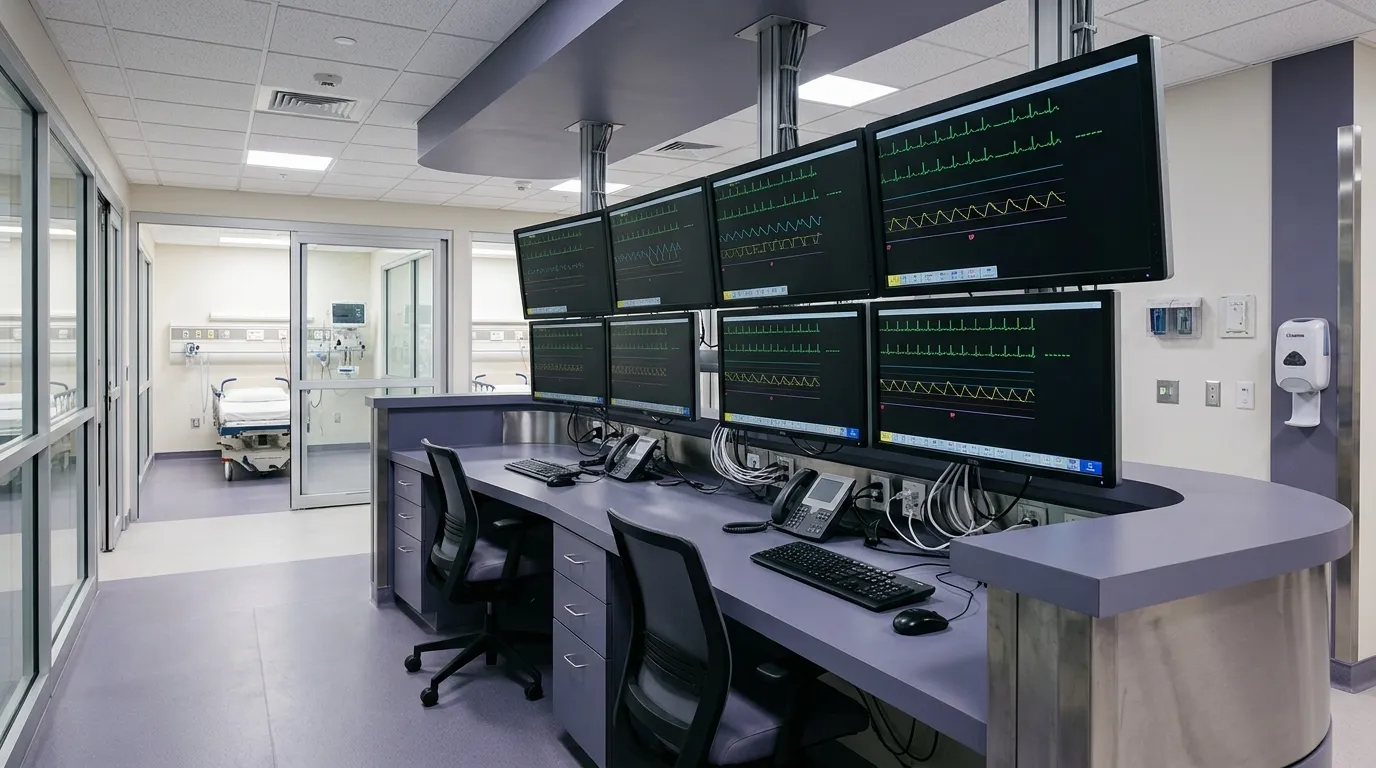
What are Critical Care Pain Procedures?
Critical care pain procedures are specialized clinical interventions performed to manage severe, acute pain in patients in Intensive Care Units (ICUs) or recovering from major surgeries. Pain in a critical care setting is more than an uncomfortable symptom. It triggers a profound stress response that increases heart rate, elevates blood pressure, and places extra strain on the heart and lungs. If left unmanaged, severe acute pain can lead to complications such as respiratory failure, delirium, and chronic pain syndromes.
Unlike standard pain therapies that rely on systemic medications (which can cause sedation, breathing difficulties, or drop blood pressure in critically ill patients), critical care pain management focuses on targeted regional interventions. Led by Dr. Parag Vijay Munot, our clinic provides advanced procedures such as continuous epidural infusions, thoracic paravertebral blocks, and ultrasound-guided peripheral nerve blocks.
By applying local anesthetic directly next to the nerves supplying the painful area, these procedures block pain signals without sedating the patient. This helps keep patients comfortable, alert, and able to breathe deeply and perform coughing exercises. Keeping patients comfortable and active supports early mobility, simplifies weaning from mechanical ventilation, and reduces the overall length of ICU stays.
Who Needs This / Indications for Care
Specialized critical care pain interventions are indicated for hospitalized patients experiencing severe, acute pain that cannot be safely or effectively managed with oral or intravenous medications alone.
Key clinical indications for critical care pain procedures include:
- Major Thoracic & Abdominal Surgeries: Postoperative pain following cardiothoracic, vascular, or major abdominal surgeries, where deep breathing is vital to prevent pneumonia.
- Severe Traumatic Injuries: Multiple rib fractures, pelvic fractures, or limb trauma, which cause intense pain and restrict movement.
- Acute Pancreatitis or Abdominal Sepsis: Intense visceral pain that can be managed with targeted epidural infusions or block therapies.
- Prevention of Complex Regional Pain Syndrome (CRPS): Early nerve blocks to prevent hyper-sensitization in severe extremity trauma or CRPS.
- Severe Oncological Pain: Acute flare-ups of advanced disease or severe cancer pain requiring inpatient support.
- Severe Musculoskeletal Pain: Acute, debilitating conditions such as acute disc herniations with severe radiculopathy or secondary back pain.
If a hospitalized patient is struggling to breathe deeply, cough, or move due to severe pain, a consultation with Dr. Parag can help determine if regional anesthesia is indicated.
The Treatment Plan: What to Expect
Bedside Clinical Mapping
We begin with a comprehensive clinical evaluation at the patient's bedside. Dr. Parag reviews the patient's medical history, surgical details, and coagulation labs, and uses validated pain scales (such as BPS or CPOT) to assess pain levels.
Precision Regional blocks
Using portable, high-resolution ultrasound guidance, Dr. Parag performs the targeted nerve block or inserts a continuous infusion catheter. Real-time visualization ensures precise needle placement next to the nerve plexus, avoiding surrounding blood vessels.
Continuous Monitoring & Titration
Once the block or catheter is active, we monitor the patient's pain relief, hemodynamics, and sensory levels. We adjust the infusion rates as needed, working closely with the ICU nursing and physical therapy teams to support early rehabilitation.
Why Choose Vaayu in Shivajinagar, Pune?
Vaayu Chest & Pain Clinic, located inside Spectrum Business Spaces in Shivajinagar, Pune, is a premier center for advanced, interventional pain management. Our dedicated pain department is led by Dr. Parag Vijay Munot, a highly respected Pain Physician and Anesthesiologist (MBBS MD FICP). Dr. Parag has specialized training and extensive experience in inpatient acute pain management and ICU regional anesthesia protocols.
We provide prompt, coordinated care for patients in critical settings. By utilizing advanced, bedside ultrasound guidance, we perform procedures safely and efficiently in hospital rooms or intensive care suites. We work closely with primary surgical and ICU teams across Pune to deliver integrated, effective pain management that supports patient recovery.
Frequently Asked Questions
Critical care pain procedures are specialized clinical interventions performed to manage severe, acute pain in patients in Intensive Care Units (ICUs) or post-surgical settings. These procedures include urgent regional nerve blocks, continuous epidural infusions, and ultrasound-guided nerve catheters. By providing targeted pain relief directly to the affected area, these procedures reduce the need for high-dose systemic opioids. This minimizes side effects such as respiratory depression, gastrointestinal paralysis, and delirium, enabling patients to participate in early physical therapy and breathe comfortably, which supports a faster recovery.
Ultrasound guidance allows the pain physician to see the patient's nerves, blood vessels, and surrounding tissues in real time during the procedure. This high level of visibility ensures that the needle is placed accurately next to the target nerve while avoiding surrounding blood vessels and organs. Using ultrasound increases the safety and success rate of nerve blocks, even in critical settings where patients may have complex anatomy or be on blood-thinning medications.
Yes, interventional pain procedures are highly safe and beneficial for patients on mechanical ventilation. In fact, providing effective regional pain relief (such as a thoracic epidural or plane block) helps reduce the dose of sedative medications needed. Lower sedative requirements allow patients to be awake and interactive while remaining comfortable on the ventilator. This supports early breathing trials and simplifies weaning protocols, which helps shorten the overall duration of mechanical ventilation.
Multimodal analgesia is a clinical approach where multiple pain-relief treatments are combined to target different pain pathways simultaneously. Instead of relying on a single medication (like intravenous morphine), we combine low-dose medications (such as paracetamol, NSAIDs, and neuropathic agents) with regional nerve blocks. This combined approach provides more effective pain control with fewer medication side effects, helping maintain stable blood pressure and organ function in critically ill patients.
Continuous epidural infusions are highly safe when managed by experienced pain specialists. Common, manageable side effects include a mild drop in blood pressure, localized numbness, or temporary muscle weakness in the legs. Serious complications such as epidural hematoma or infection are extremely rare, thanks to sterile insertion techniques, daily catheter site checks, and close monitoring of coagulation profiles.
For patients who cannot speak due to sedation, mechanical ventilation, or neurological conditions, we use validated clinical assessment tools. These include the Critical-Care Pain Observation Tool (CPOT) and the Behavioral Pain Scale (BPS). These scales evaluate objective physical indicators such as facial expressions, body movements, muscle tension, and changes in ventilator compliance to identify and address pain promptly.
Related Pain Services
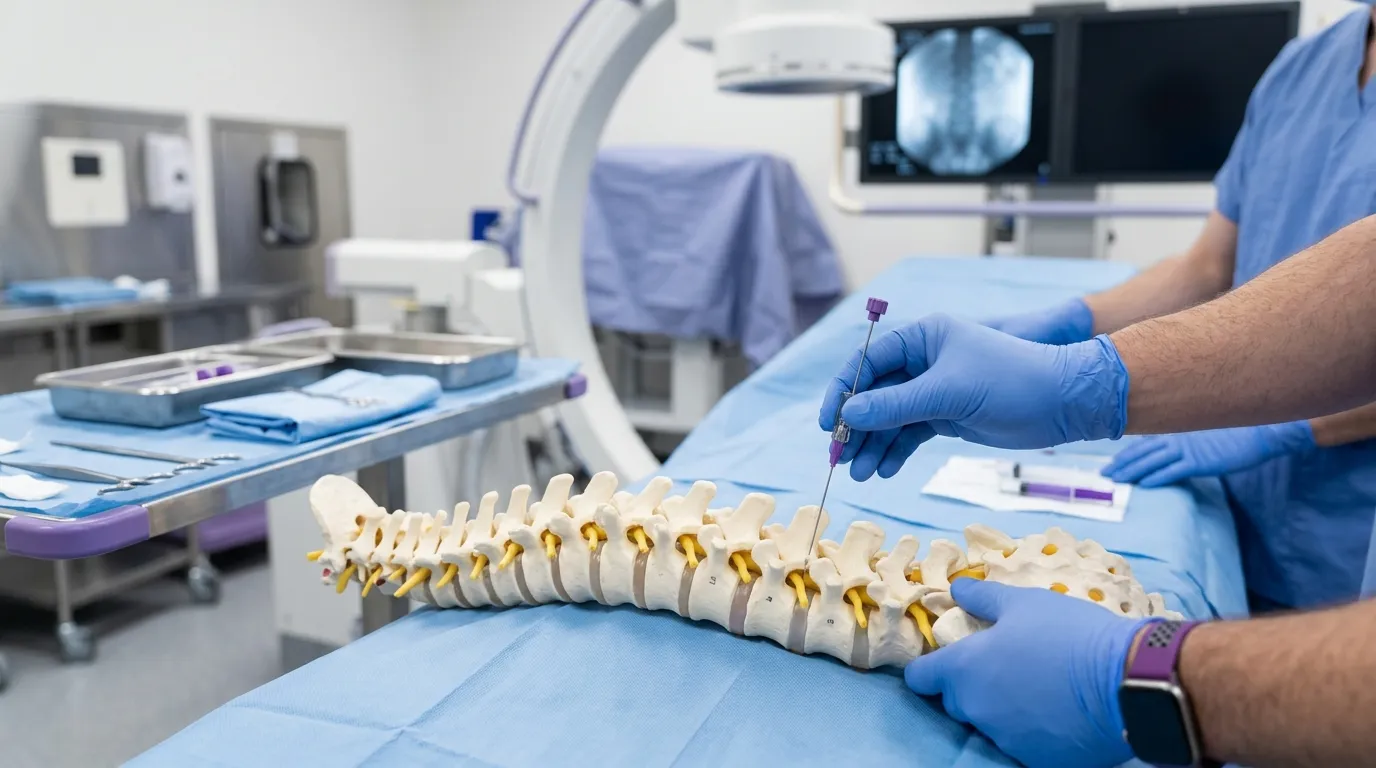
Epidural & Spinal Injections
Non-surgical day-care procedures providing direct relief for sciatica, disc herniations, and spinal stenosis.
Learn More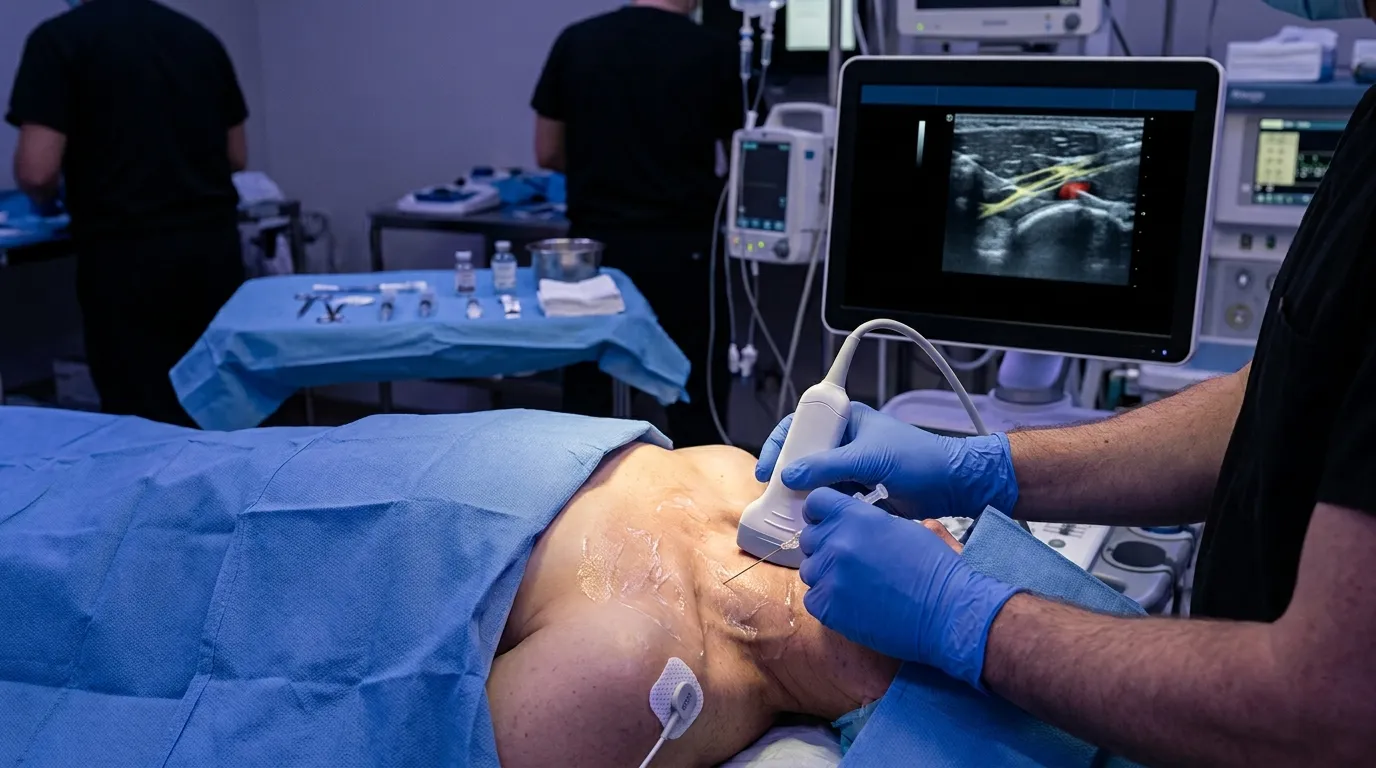
Nerve Blocks & RFA
Precision diagnostic injections and radiofrequency thermal therapy for chronic spinal facet and joint pain.
Learn More
Cancer Pain Management
Advanced blocks and neurolysis therapies to control pain from organ tumors or bone metastases.
Learn More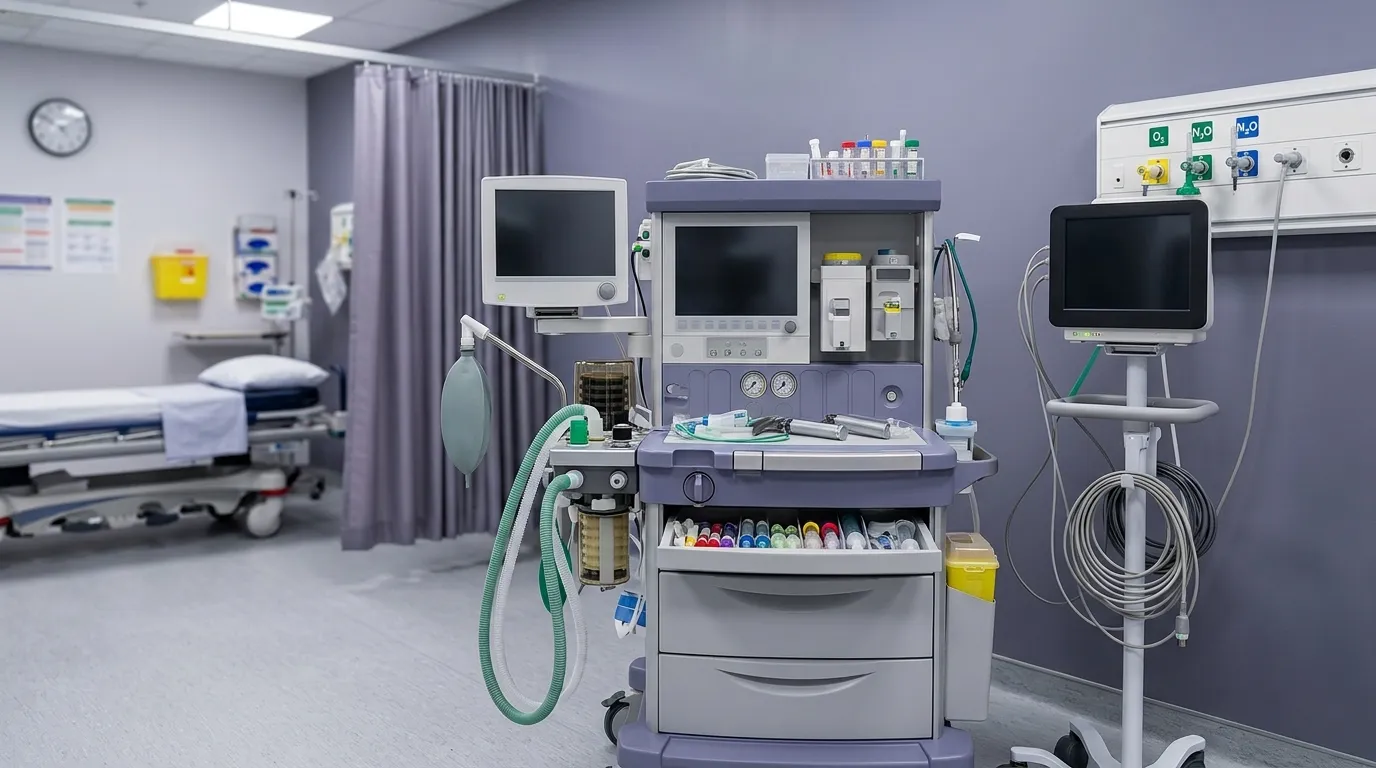
Anaesthesia & Peri-operative
Pre-operative planning and regional blocks to ensure patient safety and minimize postoperative discomfort.
Learn MoreAlso serving Pune Region
We offer the exact same advanced critical care pain interventions directly at our main Pune facility.
View Location VariantExpert Inpatient Pain Management and Support
Schedule a clinical consultation or coordinate bedside care at Vaayu Chest & Pain Clinic today. Call our Shivajinagar desk or book online.