Nerve Blocks & Radiofrequency Ablation in Shivajinagar, Pune
Conveniently located at Spectrum Business Spaces in Shivajinagar, Pune, Vaayu Chest & Pain Clinic provides premium, image-guided nerve blocks and radiofrequency ablation (RFA). Dr. Parag Vijay Munot targets pain pathways at their source using real-time fluoroscopic and ultrasound mapping, offering non-surgical day-care procedures to patients from Model Colony, Deccan, and Pune Camp.
Book Free Consultation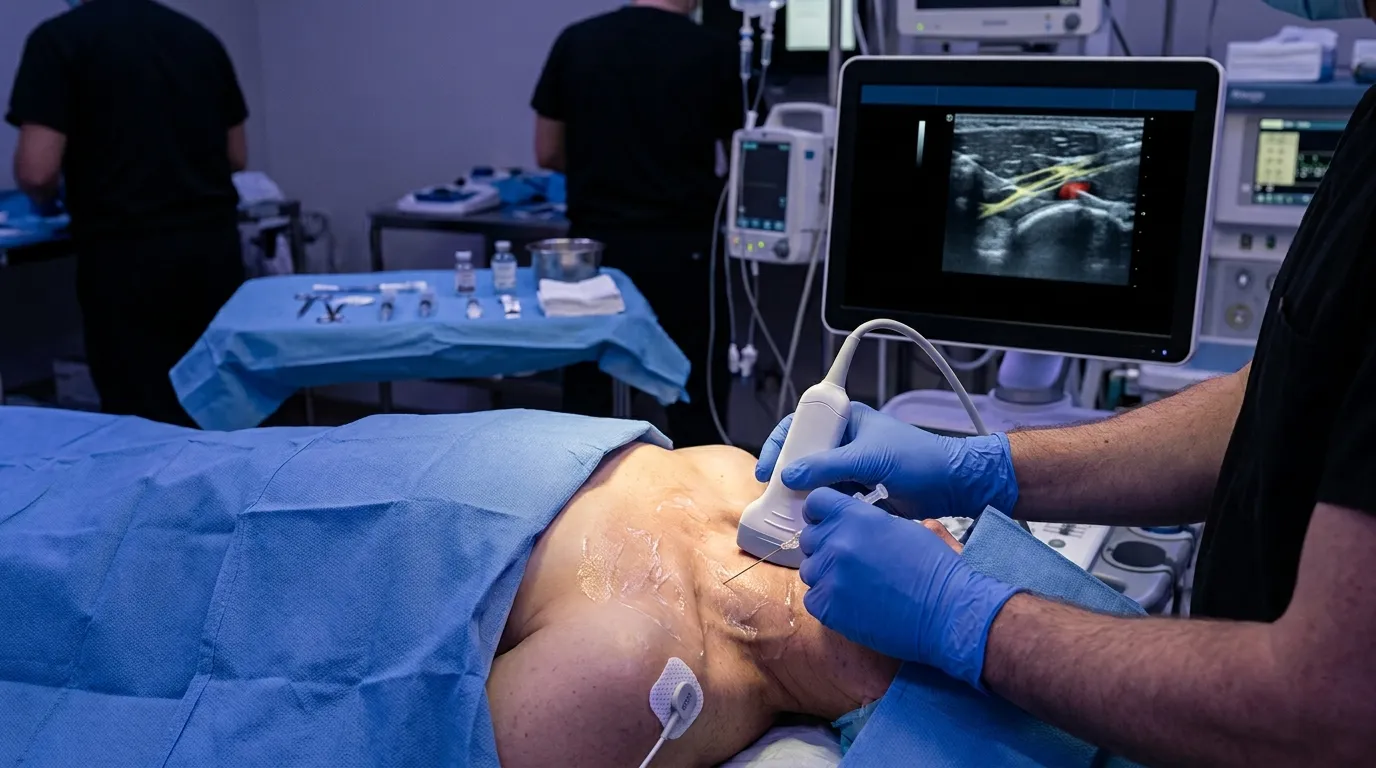
What is Nerve Blocks & Radiofrequency Ablation?
Nerve blocks and Radiofrequency Ablation (RFA) represent a sophisticated, multi-phase clinical framework designed to isolate and deactivate specific pain-carrying nerves. The central nervous system processes sensory input by carrying impulses from peripheral tissues, such as spinal joints, nerve roots, and major joint capsules, through specialized sensory fibers to the spinal cord and up to the brain. When these structural areas undergo severe degeneration, mechanical friction, or chemical inflammation, the associated sensory nerves fire continuously, leading to chronic, intractable pain.
The first stage of this therapy is a diagnostic nerve block. Using real-time medical imaging, Dr. Parag Vijay Munot inserts a microscopic needle directly adjacent to the target nerve pathway and deposits a small volume of local anesthetic. This block acts as a highly specific diagnostic tool. If the patient experiences a significant reduction in pain during the block's active hours, it confirms that the target nerve is the principal mediator of their clinical symptoms.
Once the pain pathway is confirmed, the therapeutic second stage—Radiofrequency Ablation—can be performed. RFA uses advanced electrical currents to deliver high-frequency radio waves through a specialized insulated needle. This energy heats a tiny, uninsulated tip of the needle, creating a localized, highly controlled thermal lesion on the nerve. By interrupting the nerve's myelinated sensory fibers, RFA blocks the transmission of pain signals to the brain. Because RFA targets only sensory branches, motor functions remain completely unaffected. This allows patients to undergo active physical rehabilitation without experiencing debilitating pain.
Who Needs This / Indications for RFA Therapy
Nerve blocks and RFA are designed for patients who suffer from chronic pain that has not responded to conservative treatments, such as oral medications and physical therapy. This interventional technique is highly effective for localized joint and spinal pain.
The primary clinical indications for nerve blocks and RFA include:
- Facet Joint Syndrome: Severe, chronic back pain or neck pain caused by arthritis of the facet joints in the spine, which worsens with standing or bending backward.
- Knee Osteoarthritis: Chronic knee pain that has not responded to joint injections or medications, where targeting the genicular nerves provides significant relief as a non-surgical alternative to knee replacement.
- Sacroiliac (SI) Joint Dysfunction: Deep, localized lower back and buttock pain caused by inflammation or mechanical instability of the SI joint.
- Myofascial Pain Syndrome: Severe, localized muscle pain characterized by trigger points, where trigger point injections or blocks help release persistent muscle spasms.
- Complex Regional Pain Syndrome (CRPS): Chronic, burning nerve pain in a limb, requiring sympathetic blocks to reset the sympathetic nervous system.
- Chronic Sports Injuries: Persistent joint or tendon pain following a sports injury that prevents active recovery and rehabilitation.
If your daily activities are limited by chronic spinal arthritis or severe joint pain, Dr. Parag will perform a comprehensive diagnostic block to determine if you are a candidate for RFA.
The RFA Procedure: What to Expect
Precision Target Mapping
The procedure is performed on an outpatient basis in our sterile day-care unit. You will lie comfortably on a procedure table, and the skin over the target area is numbed with a local anesthetic. Using live fluoroscopy or high-resolution ultrasound, Dr. Parag guides a specialized RFA needle directly next to the target nerve pathway.
Safety Testing Protocols
Once the needle is in position, Dr. Parag performs safety testing using sensory and motor stimulation. A tiny electrical signal is sent through the needle. You will be asked if you feel a tingling sensation in the target area, confirming correct placement, while checking to ensure no motor nerves are activated.
Therapeutic Ablation & Recovery
After safety confirmation, additional local numbing medication is administered through the needle. The RFA machine then delivers controlled thermal energy to create a precise lesion on the nerve, a process taking about 90 seconds per site. The needle is removed, and you will recover in our daycare unit for 60 minutes before discharge.
Why Choose Vaayu in Shivajinagar, Pune?
Vaayu Chest & Pain Clinic, located inside Spectrum Business Spaces in Shivajinagar, Pune, is dedicated to providing high-precision, non-surgical pain care. Our interventional pain department is led by Dr. Parag Vijay Munot, a highly respected Pain Physician and Anesthesiologist (MBBS MD FICP). Dr. Parag has specialized training in advanced interventional spine and joint procedures, with years of experience performing image-guided injections.
We are committed to the highest standards of safety and accuracy. Every nerve block and RFA procedure is performed under direct, real-time image guidance using state-of-the-art C-arm fluoroscopy and high-resolution ultrasound. This diagnostic and therapeutic precision minimizes clinical risks, ensures optimal targeting of pain pathways, and delivers superior, long-lasting outcomes for our patients.
Frequently Asked Questions
A diagnostic nerve block is a temporary injection of local anesthetic designed to anesthetize a specific nerve pathway. It acts as a clinical test to verify if that specific nerve is the source of your pain. If the block successfully relieves your pain for a few hours, it confirms the nerve's involvement. Radiofrequency Ablation (RFA), on the other hand, is a therapeutic follow-up procedure. RFA uses high-frequency radio waves to heat a tiny tip of a specialized needle, creating a heat lesion that interrupts the nerve's ability to transmit pain signals to the brain for several months or years.
The relief provided by Radiofrequency Ablation is long-lasting but typically not permanent because the treated microscopic nerve fibers will slowly regenerate over time. On average, patients experience significant pain relief lasting between 6 to 18 months, with many achieving relief for up to two years. Once the nerve fibers grow back, the pain may gradually return. If the procedure was successful the first time, RFA can be safely repeated to restore pain relief, allowing you to stay active.
Yes, both nerve blocks and RFA are highly safe for elderly patients. Because these are minimally invasive procedures performed under local anesthesia with light conscious sedation, they carry much lower cardiovascular and systemic risks than major open surgeries or long-term medication regimens. Real-time fluoroscopic imaging ensures the treatment needle is placed with millimeter precision, minimizing the risk of damage to surrounding structures. Dr. Parag performs a thorough medical screening to ensure patient safety.
Nerve blocks and RFA are generally well tolerated, with minor and temporary side effects. The most common side effect is localized soreness or a sun-burn-like sensation at the needle insertion site, which resolves in a few days. Some patients might feel transient numbness or a tingling sensation in the treated area. Serious complications such as localized infection, bleeding, or permanent nerve damage are extremely rare, thanks to the use of live fluoroscopic guidance and sterile hospital-grade protocols.
Recovery is rapid since there are no surgical incisions. Most patients rest in our day-care recovery ward for 1 to 2 hours before going home. You can return to normal, light daily activities the next day. We advise avoiding strenuous exercise, heavy lifting, or long driving commutes for the first 24 to 48 hours. Most patients can resume work within 24 to 48 hours. Localized soreness can be managed with ice packs and mild analgesics prescribed by our team.
No, RFA is carefully targeted to block only sensory nerves (nerves that transmit pain signals, such as the medial branches of the spine or the genicular nerves of the knee). It does not target motor nerves (nerves that control muscle movements). Before the thermal energy is applied, Dr. Parag performs sensory and motor stimulation testing through the needle to confirm that no motor nerves are near the tip, ensuring that your muscle function remains completely normal and safe.
Related Pain Services
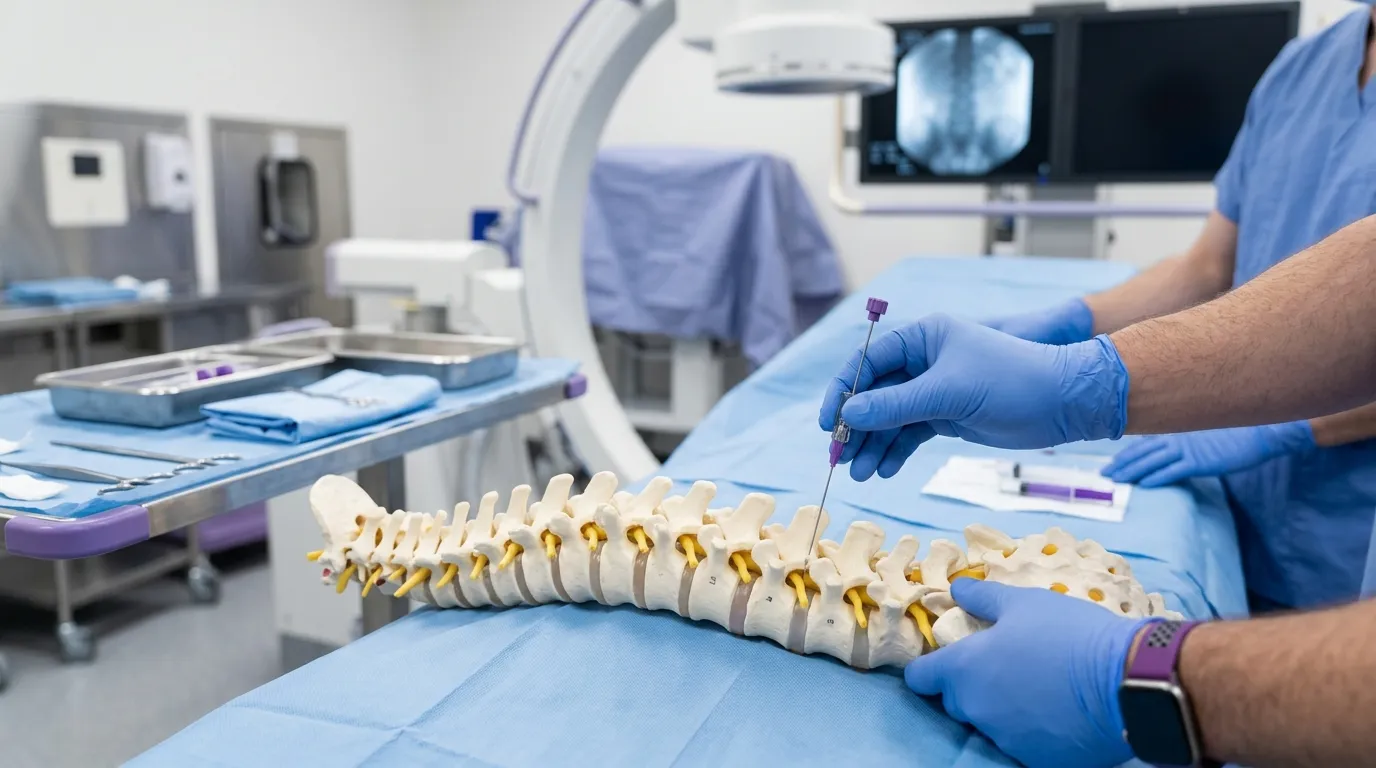
Epidural & Spinal Injections
Non-surgical day-care procedures providing direct relief for sciatica, disc herniations, and spinal stenosis.
Learn More
Cancer Pain Management
Advanced blocks and medications to control severe discomfort associated with oncological conditions.
Learn More
Critical Care Pain Procedures
Rapid-onset blocks and clinical interventions for postoperative trauma and acute hospital pain management.
Learn More
Anaesthesia & Peri-operative
Pre-operative planning and regional blocks to ensure patient safety and minimize postoperative discomfort.
Learn MoreAlso serving Pune Region
We offer the exact same advanced RFA therapies directly at our main Pune clinic.
View Location VariantRestore Your Mobility and Live Pain-Free
Schedule your image-guided nerve block or radiofrequency ablation at Vaayu Chest & Pain Clinic today. Call our Shivajinagar line or book online.